The Media Studies Experience: Let the Experience Begin!

When I received a message from VQR Web Editor Jane Friedman, inquiring if Special Collections would be interested in having a group of students from her spring semester  Media Studies class, Digital Media and Publishing contribute content to our social media, I jumped at the chance.  As a result, Special Collections has gained four enthusiastic, smart, and social media savvy undergraduates, who will share with you many of the fantastic finds they encounter while researching Under Grounds.

The Special

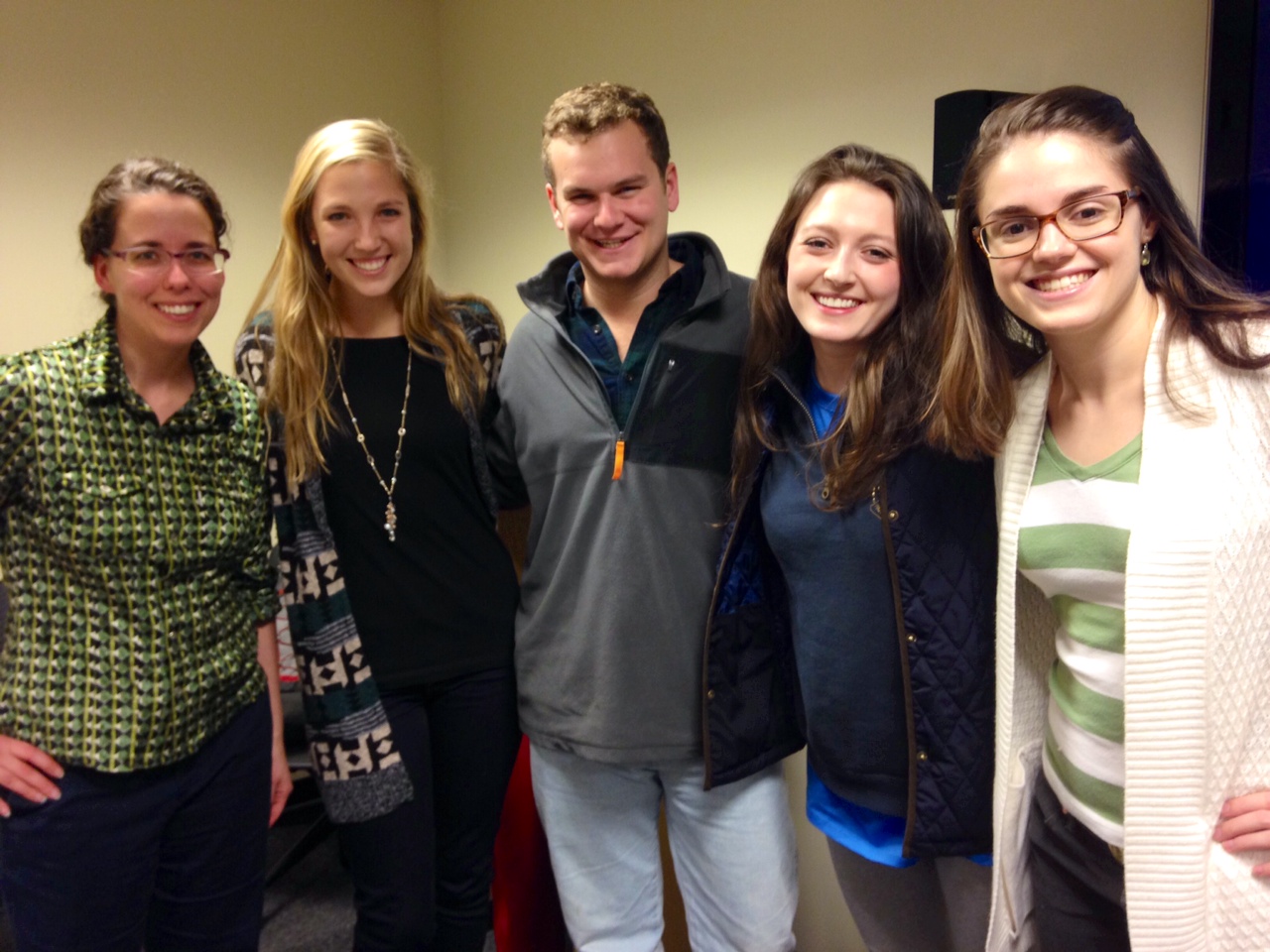
Pictured from left to right: Professor Jane Friedman, and students Emily Caldwell, Garrett Gottesman, Ali Sutherland, and Susan Gravatt.

Allow them to introduce themselves!

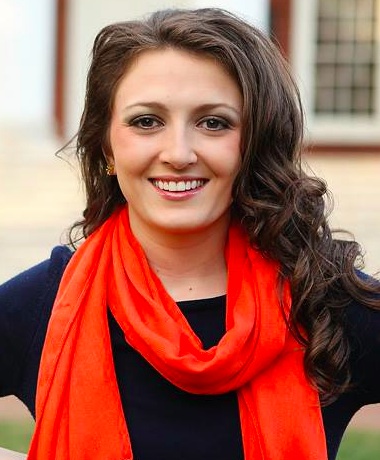
Emily Caldwell

My name is Emily Caldwell, and I am a Fourth Year in the College of Arts and Sciences at the University of Virginia. I will graduate this May with a Bachelor of Arts in English and a Minor in Media Studies. Outside of my academic studies at the University, I am also a marketing and publicity intern at the University of Virginia Press and have worked there for about a year now. As a typical student with a Liberal Arts Major, I am still unsure of exactly where I will be or what I will be doing after graduation (if anyone is looking to hire an English major who is highly analytical with exceptional written and oral communication skills, let me know). In all seriousness, I am very interested in pursuing a career in the Media or Publishing Industries.

I chose to be in the Special Collections group as part of a semester-long project for my digital media and publishing course because I believe this library, as a whole, is a buried treasure chest, so to speak. It is a resource “hidden” in plain view of U.Va. students, and therefore extremely underutilized. I would love to uncover some of many gems located at Special Collections and make them known to my fellow Wahoos with the hope that they, too, will fully take advantage of the rich history that U.Va. has to offer. As an English Literature/Book Nerd, I am most interested in delving into the University’s literary treasures. I want to examine everything from the papers of William Faulkner, my personal favorite writer, to Walt Whitman’s manuscripts. I am not only deeply fond of these historical texts as literature, but I am fascinated and intrigued by the physical representation of these artifacts and how they lend themselves as historical vehicles.

However, on an even more personal level, I am a Virginian born and raised in Salem, which is about two hours southwest of Charlottesville. I have grown up learning the rich history of my native state, and it is one of the main reasons I chose to attend the University of Virginia. Although not all of the history of Virginia, or the University itself, is pretty or admirable, it is still my history, your history, here for us to discover. The ground we walk on at U.Va. is full of this history, and I mean that literally because a large part of the Special Collections Library is located underground. I look forward to unearthing everything beautiful, terrible, fascinating, honorable, and tragic that has made the University of Virginia the institution it is today.

Emily Caldwell

Photograph of Emily Caldwell, 2012.

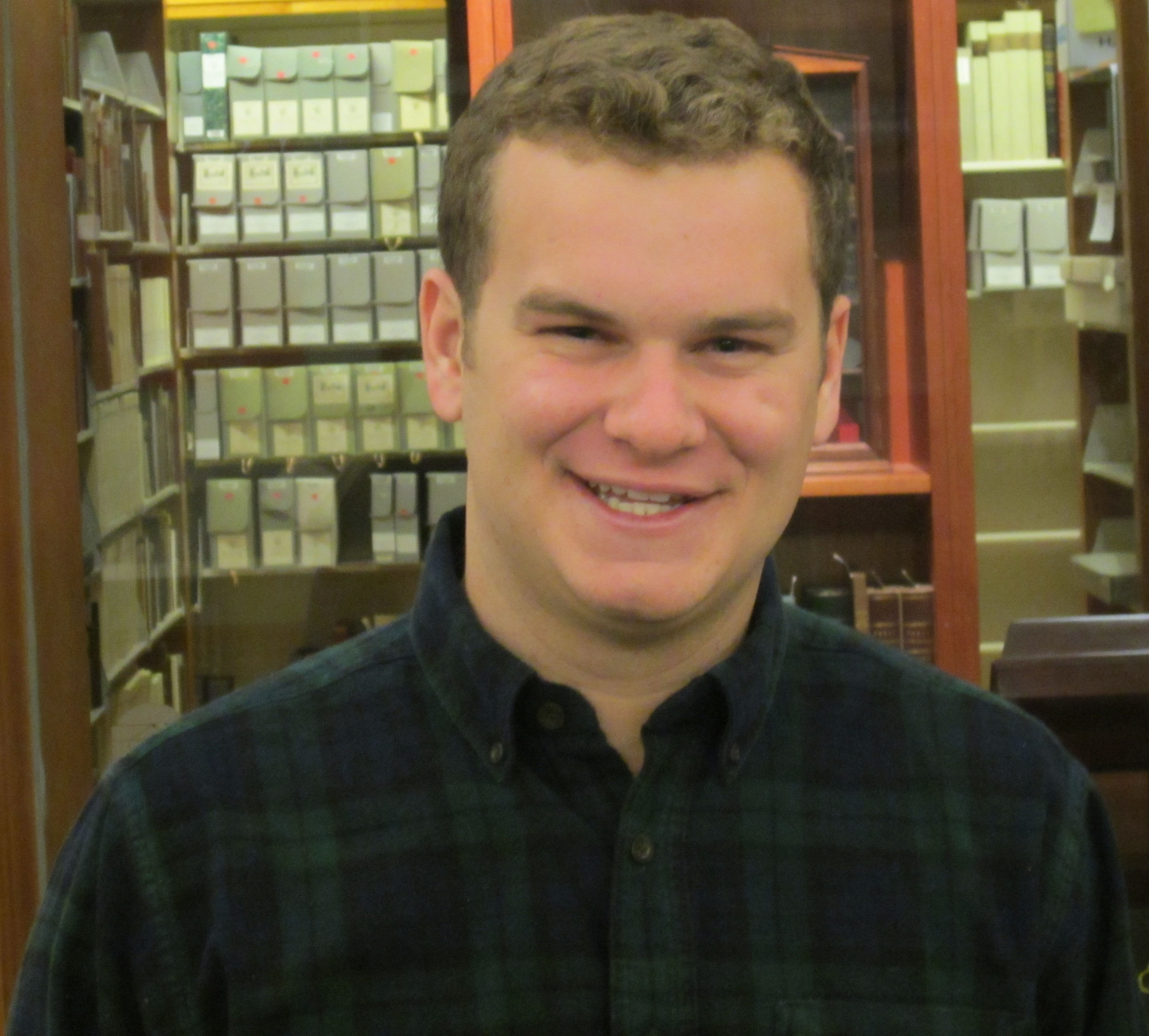
Garrett Gottesman

My name is Garrett Gottesman, and I am a Third Year at U.Va. I am currently double majoring in Media Studies and American Studies, in which I am pursuing a concentration in Social Reform. When I heard about the opportunity to do digital media publicity for the Special Collections Library, I knew that it was the perfect opportunity for me. Since being admitted to U.Va., I have been obsessed with its history. I am looking forward to looking at material culture from the University, and I am specifically interested in the Civil War, the Civil Rights Era, and modern pop culture as they pertain to U.Va. This obsession with U.Va. is somewhat ironic when you consider the fact that I am from Austin, Texas and grew up with no information about the University.

As a proud Texan living in Virginia, I am currently learning what it means to have withdrawals from quality Tex-Mex and Barbecue. That being said, I am enjoying the chance to try out the local cuisine and remaining open to the idea that I may not move back to Texas immediately after graduation.

Right now I am still juggling a million career ideas as I get closer and closer to my fourth year. However, my career choice of the week is to do Marketing and Communications for a global nonprofit. I love finding any excuse I can to help others even if it means annihilating what little free time I have. This is most true when my Madison House “little sib” convinces me to come help him with his math homework or when friends ask me to do favors for them. I know how to say no, but I prefer to instead just say yes and roll with it.
I am a passionate explorer and have traveled to over thirty countries on six of seven continents around the world. My most recent adventure was on the 50th anniversary voyage of Semester at Sea which took me to 17 countries along the Atlantic Ocean in 115 days. I am obsessed with the movie Elf, and I could not live with out Swedish Fish. I also have the coolest dog in the world. He is a basset hound named Elvis. Here is the link to his facebook profile.

Garrett Gottesman in front of the Special Collections vault, 2014. (Photograph by Petrina Jackson).

Garrett Gottesman in front of the Special Collections vault, 2014. (Photograph by Petrina Jackson).

Susan Gravatt

My name is Susan Gravatt, and I’m a Fourth Year Media Studies major and Religious Studies minor at the University of Virginia in the College of Arts & Sciences. Since my fourth semester at U.Va., I’ve worked at WTJU 91.1 FM in Charlottesville, Virginia, as an intern, producer, and now a co-host for the station’s public affairs program, Soundboard. I also work with U.Va.’s new student radio station, WTJX, and am an outreach coordinator who builds student involvement through our site, which you can find at: http://rotunda-radio.tumblr.com/. When I’m not at WTJU, you might find me practicing with U.Va.’s salsa club or University Baptist’s collegiate choir, Jubilate.

After graduation, my biggest goal currently is to… have a job! I am currently embarking upon the Notorious Job Hunt and hope to find work in the Northern Virginia area or in Charlottesville. In a perfect world, I would continue to do some sort of creative work in the radio industry, but we will see where that takes me.

Until graduation and the Real World, though, I am enjoying my final semester at U.Va. and looking forward to working in the Special Collection Library. After visiting it a few times as a First Year for a project, I realized how many treasures are buried here and wanted to share them with others online. In the coming weeks, I plan to explore and write about U.Va. and some of the lesser-known stories about Grounds.

Keep checking back, as our team will be bringing you some pretty cool content and posts in the next few months!

Susan Gravatt

Photograph of Susan Gravatt

Ali Sutherland

My name is Ali, and I am from Grundy,Virginia (it’s where West Virginia, Kentucky, and Virginia meet). I’m a Fourth Year Government major, Media Studies minor, and have many, many, many interests.  I sing, play guitar, and craft A LOT.  I’m a sister of Sigma Delta Tau and am OBSESSED with social media. My dream job would be to either have a record deal or to do social media for a fashion label.  I’m really into history and antiques, so working with the Special Collections Library is going to be super fun.  The guys from Pawn Stars would love it here…

Note: Ali will be contributing to our social media via Twitter, Tumblr, and Instagram.  Be sure to follow us and see what fun treasures she finds.

Ali Sutherland

Photograph of Ali Sutherland by Nicholle Goodnight, 2013.

Look out for The Media Studies Experience coming at you all semester long!


Where’s Waldo?

This week, we are pleased to feature a guest post by Special Collections Public Services Assistant Ethan King, who is studying for his M.A. in the U.Va. Department of English.

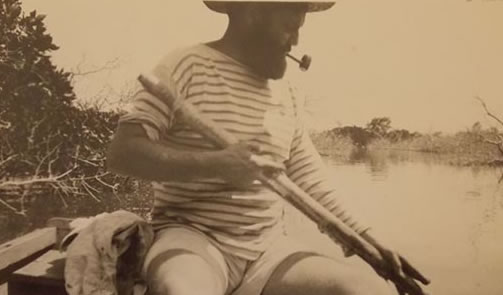
A brash and turbulent man, a vigorous and luminous artist, Waldo Peirce was a striking figure, his imposing physique matching his powerful personality. Husky, bearded, a football player, an actor, a fisherman, an aspiring poet, and a prolific painter, Waldo Peirce was a jack-of-all-trades, and he was able to rival his variegated skill-set with a penchant for captivating a room with lewd stories and with the formidable ardor with which he lived his life. Yet he has not attained the notability equal to his person and his work.

Waldo Pierce, unidentified photographer. (MSS 8402, Clifton Waller Barrett Library of American Literature. Image by Ethan King)

Waldo Pierce (undated, photographer not identified). (MSS 8402, Clifton Waller Barrett Library of American Literature. Image by Ethan King)

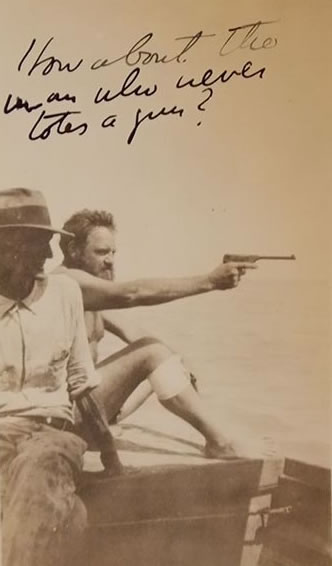
Waldo Peirce with unidentified man (photographer not identified). The writing reads "How about a man who never totes a gun?" (MSS 8402, Clifton Waller Barrett Library of American Literature. Image by Ethan King)

Waldo Peirce with unidentified man (undated, photographer not identified). The writing reads “How about a man who never totes a gun?” (MSS 8402, Clifton Waller Barrett Library of American Literature. Image by Ethan King)

After his dazzling canvases found their way into leading museums when he was a young man, his artistic successes began to wane. After his death, he was all but forgotten in the annals of art history, and he was similarly reduced to a mere colorful figure alongside his much more accomplished friends—Ernest Hemingway, John Dos Passos, James Joyce, and Gertrude Stein, among others. Peirce’s story is one of gruff eclecticism and shining vivacity in a burgeoning world of modernist art. One need only to rifle through his letters and his one published text, Unser Kent, to get a sense of this man and his life.

The Albert and Shirley Small Special Collections Library holds correspondence between Peirce and Harry Salpeter, an editor and writer for Esquire Magazine in the 1930s. Though the correspondence begins under the auspices of an article (“Rabelais in a Smock”) to be published in a July issue of the magazine in 1936, the letters reveal the evolution of an impersonal, working relationship into a genuine friendship in which Salpeter becomes for Peirce a family friend and a sort of artistic confidant. Stretching from the spring of 1936 to the fall of the same year, these letters highlight Peirce’s episodic life, his artistic vision, and his bawdy poetry.

Peirce begins his correspondence with Salpeter by sharing various anecdotes from his life abroad, writing in a strong but fluid style, evocative of the way he could control a room. These anecdotes range in topic from his brief acting career in a Tex Ingram film, for which he was paid in lobster; baseball and football games between his team of painters and sculptors and a team of “jockeys, international crooks, barflies etc” (TLS, 4 May 1936); his capture of a giant sea turtle with Ernest Hemingway during one of their fishing trips in Key West; his trading of girlfriends with John Reed, the American communist activist; and his inspiring a story of Hemingway’s by “grabb[ing] a town pimp by the ear,” and using the man’s body as a weapon (TLS, 25 April 1936). Reflecting upon these anecdotes, Peirce writes, “These episodes are all pretty good stories in themselves rather than just references to the eccentricity of the artist as a young man etc.. they are much more fun to live than to write hence it usually takes an outsider to do the chronicling etc” (TLS, 2 May 1936). In having Salpeter compile these stories, Peirce allows him to have control over the framing of the article, abdicating himself of biased narrativization. He writes, “I hope I dont appear as one of those .. ‘Go ahead and write yr own stuff’ etc and then begin to carp later. After all youre writing for the oaf publico and if you msut seperate the chafe from the groin etc give em the groin every time” (TLS, 29 April 1936).

This last quotation reveals not only his unabashed deferral of authorial control to Salpeter and his ribald humor, but also his characteristic writing style—rife with ellipses, et ceteras, misspellings, and lack of punctuation. Peirce champions this style as an almost Joycean linguistic play: “God knows how many mistakes in spelling I make.. especially on the machine.. where I don’t aleays hit the right letter. Sometimes fine new words are born this way” (TLS, 29 April 1936).

This type of organic and creative spontaneity bleeds into his work. Often ending his letters, “I must quit and get to work,” a refrain that attests to his artistic diligence (TLS, 19 June 36), Peirce exemplifies the artist working in the throes of passion, constantly working himself into a frenzied rhythm more in the manner of Van Gogh than of Cézanne. His spontaneous retreats into his studio produced an incredible breadth of Impressionist paintings, whose subjects varied from sensuously colored landscapes to captivating sweeps of ordinary life. The circulation of his artwork was equally impulsive, as he would consistently shed his paintings and sketches wherever he went, giving them to friends, family, and acquaintances, and even one time burning them. Special Collections houses two stunning original watercolors of Peirce’s, which belonged to his friend John Dos Passos.

Special Collections also possesses one of only eighty-five copies printed of Peirce’s Unser Kent, a satirical and lusty poem about fellow artist Rockwell Kent (our copy once belonged to the famous book designer Merle Armitage). Intended to be recited to the music of Schubert’s “Der Erlkönig,” Peirce’s Byronic poem unfurls a euphemistic story of a man playing his flute. The frontispiece, done by Kent, shows an Olympian Peirce sitting above a group of fawning nymphs, reading his poem from a scroll that is generated from, of course, his groin. Hilariously dirty couplets abound in the poem, such as “He flutes through the fiercest wind that blows/ Arousing the unborn embryos,” “He fluted venereal legacies so/ That syphilis turned to a pleasant glow,” and “He leapt all frontiers a-waving his phallus/ Fluting Deutschland über alles.” This was not the only bawdy verse Peirce penned. Rather, it was the only one printed, for he alludes to more to Salpeter:
I got an epissel from Gingrich asking for my lyric effusions even if they werent printable for his own indulgence tho he’d like em printable mebbe. As you have been my officill hornblower as pote etc I think I’d better send [them] to you first for censorship.. I am scared of editors especially as most of my buffooneries are dam personal..the rhymes etc built around the actual names etc. these can be changed to a certain degree I suppose if by chance there were something he wanted. I dont know about sending too bawdy stuff through the mail etc. (TLS, 26 May 36)

However, the only poetry he seems to have shared with Salpeter is Peirce’s translation of Baudelaire. Yet in this moment, Peirce exhibits an intimate vulnerability and self-deprecation regarding his writing. Who knows, then, if Peirce’s inability to publish another poem or book of poems was a result of their lewd content or of his anxieties about publishing personal material.

So, what are we to make of Waldo Peirce, the enigmatic figure who maximized his artistic output all the while engaging in sport, film-acting, and rugged fishing excursions? His letters exude an infectious bravado; his vivid and daring artistic processes and productions bespeak an inexorable passion for the artistic life; and his jocular poetry radiates a captivating sense of humor and a keen eye for satire. All of these things showcase his wide skill set and seem to indicate that he was popular among an extremely popular group of artist friends. So then, when we look into the canon of established modernist artists, we must ask, “Where’s Waldo?”
ABCs of Special Collections: U is for…

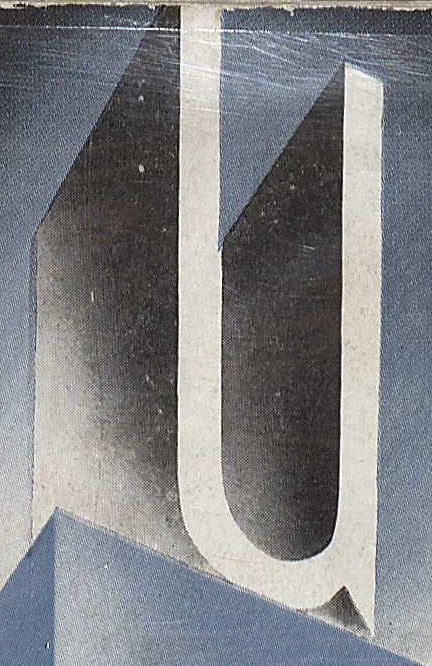
Welcome to our newest installment of the ABCs of Special Collections!  Today, we feature the final vowel of the alphabet, the letter

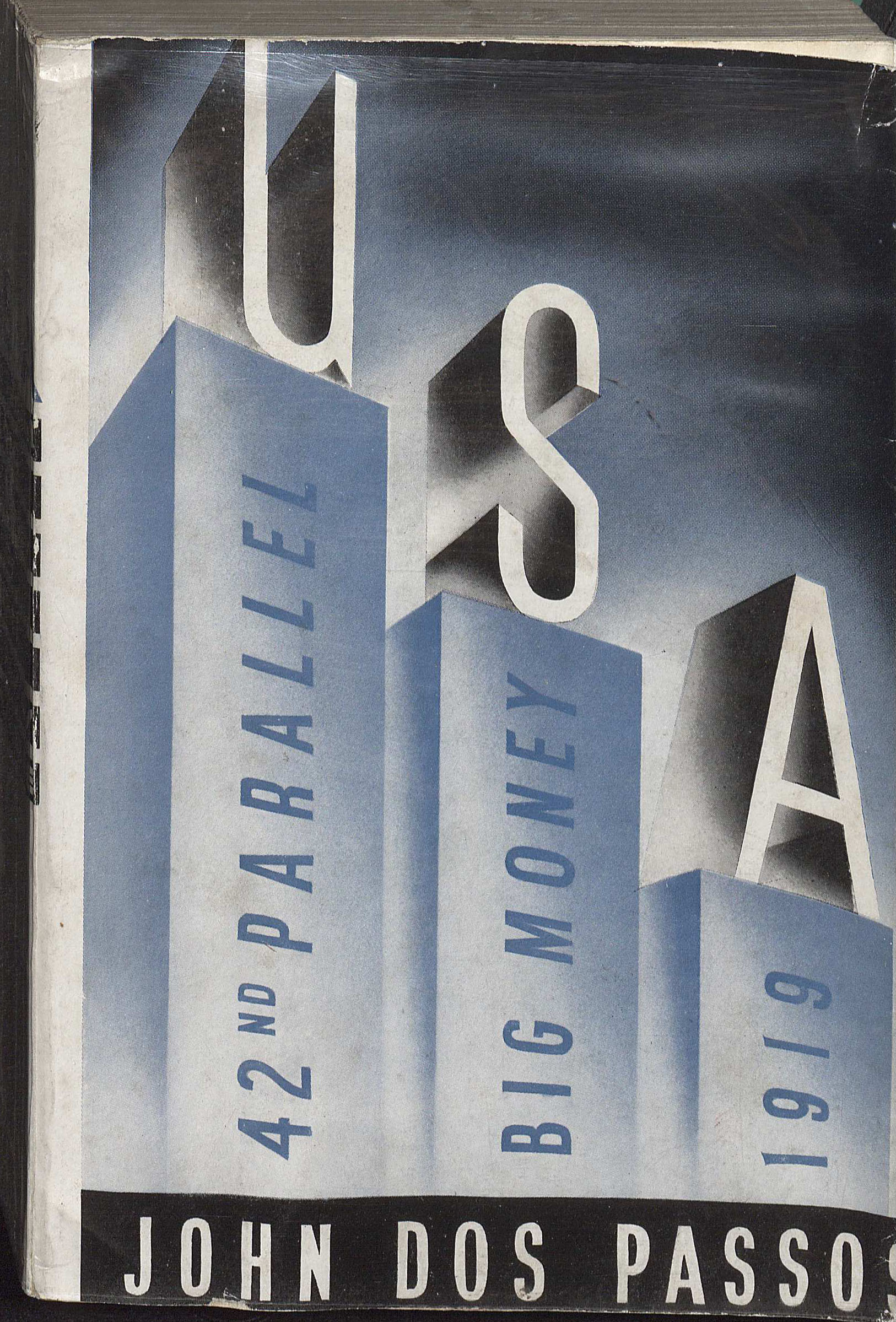
U is for the first letter in the title of the book USA by John Dos Passos. (Image by Petrina Jackson.)

U is for the first letter in the title of the book USA by John Dos Passos. (PS3507.O743 U5 1938. Clifton Waller Barrett Library of American Literature. Image by Petrina Jackson.)

U is for Underground Railroad

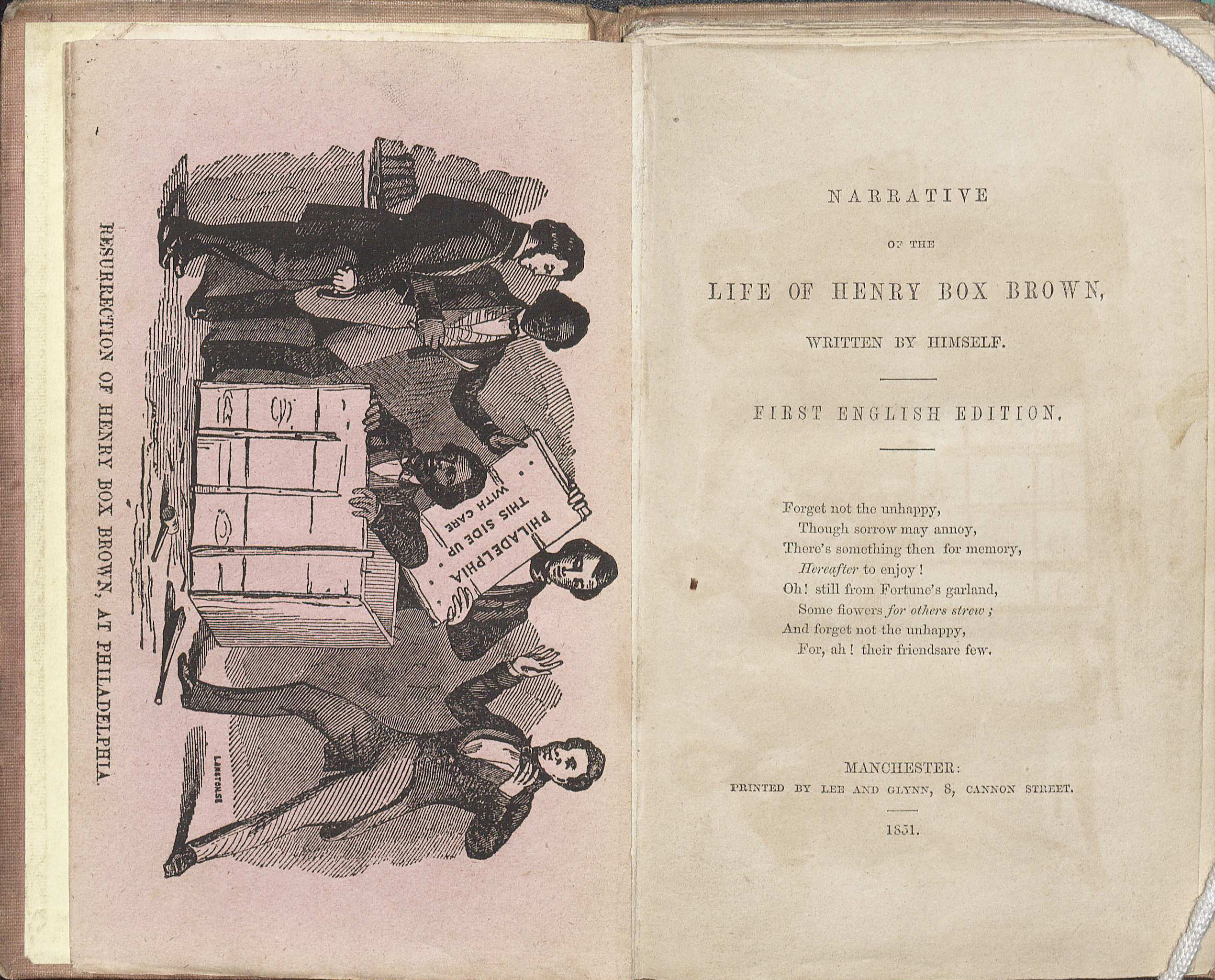
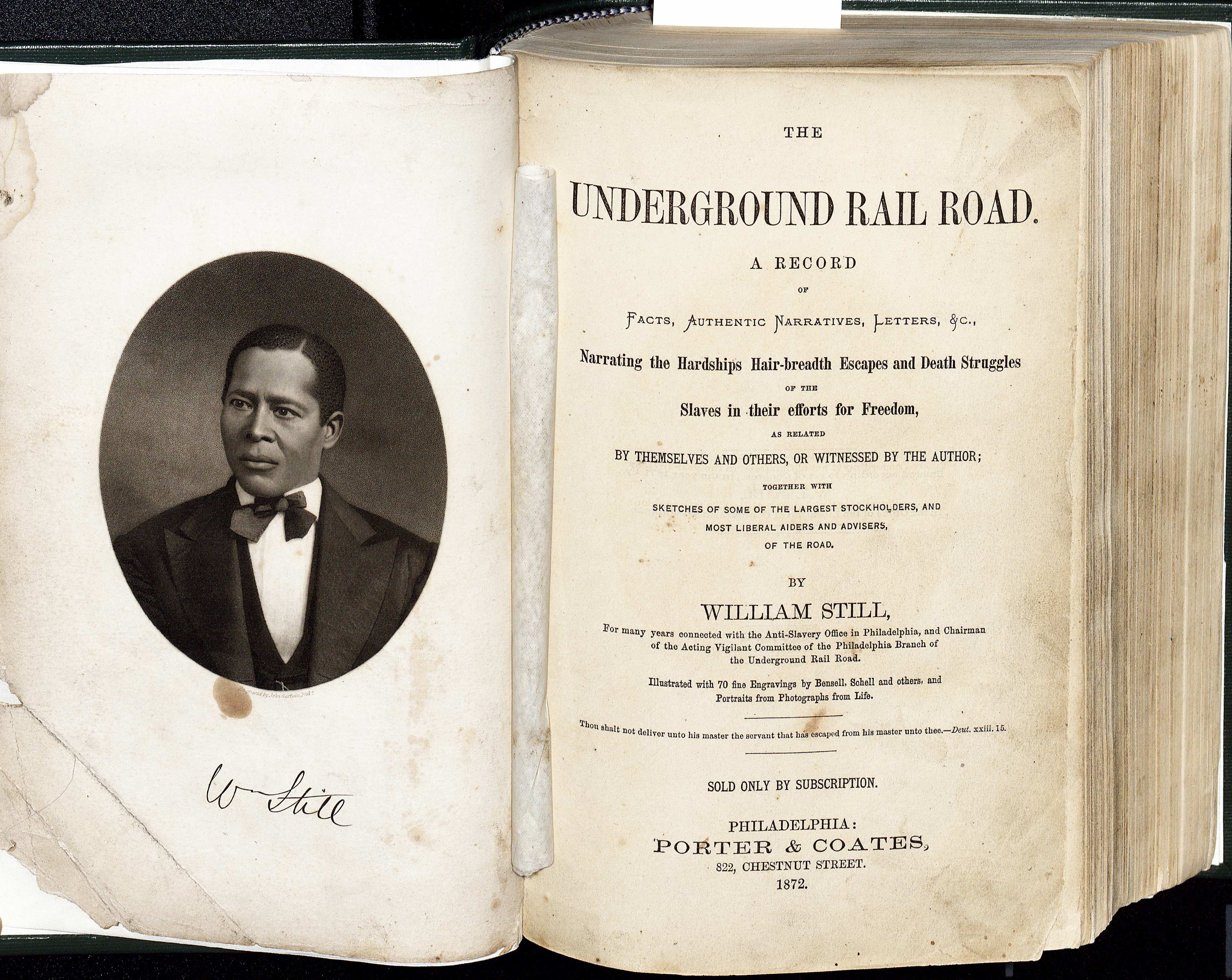
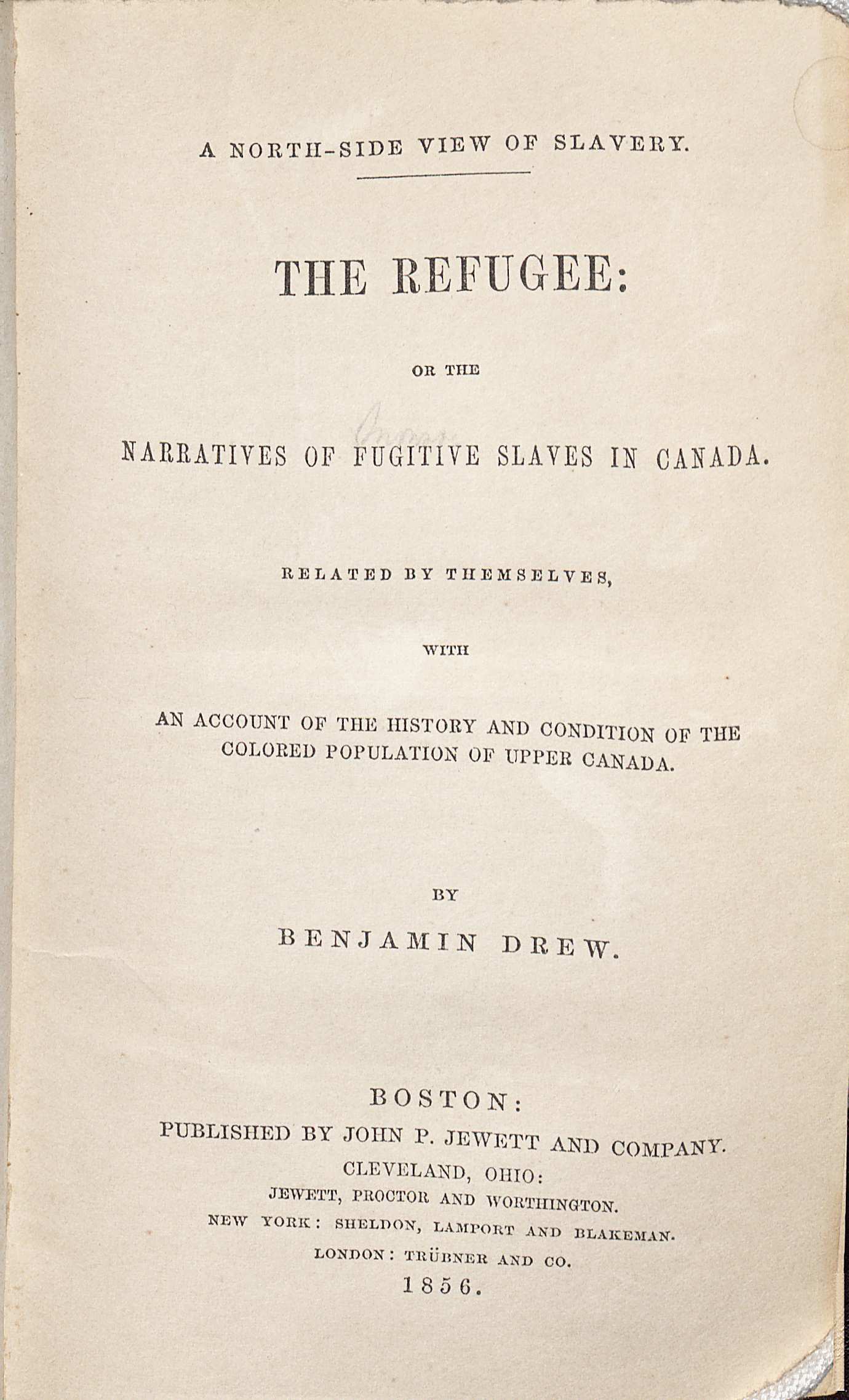
The Underground Railroad was the name given to the network of safe houses, routes, and methods established by abolitionists, white and black, to aid slaves in escaping from the South. Conductors would guide their passengers from station to station with the goal of delivering them safely to free states in the North or to Canada. Although the number of slaves who escaped by these routes was never large, the more dramatic escapes—such as that of Henry “Box” Brown— were widely publicized and had a powerful psychological impact in both North and South.

Contributed by Edward Gaynor, Head of Description and Specialist for Virginiana and University Archives

Frontispiece and title page of the Narrative and Life of Henry Box Brown, 1851. (A 1851 .B785. Tracy W. McGregor Library of American History. Image by Petrina Jackson.)

Frontispiece and title page of the Narrative and Life of Henry Box Brown, Written by Himself, 1851. (A 1851 .B785. Tracy W. McGregor Library of American History. Image by Petrina Jackson.)

Frontispiece and title page of The Underground Railroad, 1872. (E450 .S85 1872. Image by Petrina Jackson.)

Frontispiece and title page of The Underground Railroad by William Still, 1872. (E450 .S85 1872. Image by Petrina Jackson.)

Title page of the Northside of Slavery, 1856. (E450 .D77 1856. Robert and Virginia Tunstall Trust Fund, 2006/2007. Image by Petrina Jackson.)

Title page of the Northside of Slavery, 1856. (E450 .D77 1856. Robert and Virginia Tunstall Trust Fund, 2006/2007. Image by Petrina Jackson.)

U is for Unintentional Gift

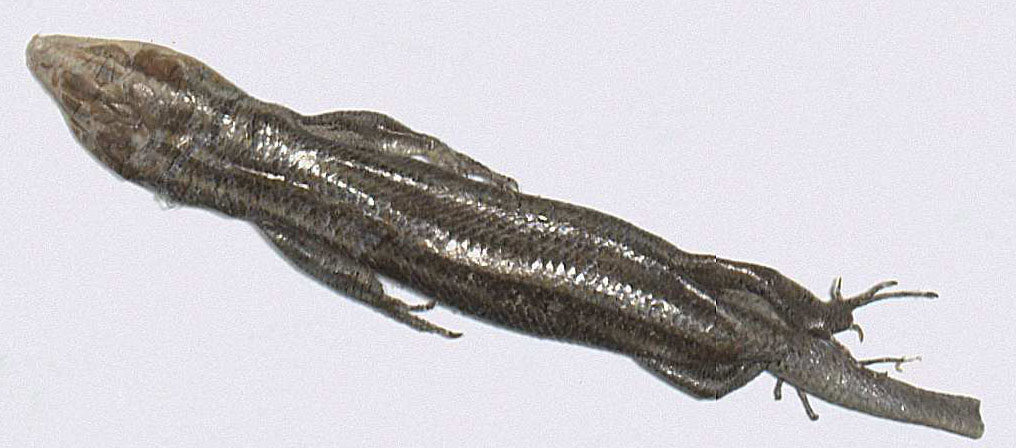
Special Collections has been very lucky over the years in the quality and quantity of the gifts it has received from many generous donors. But sometimes both unexpected and unintentional gifts have livened up the process of organizing manuscript collections. This mummified skink was discovered among the Mosby Perrow Papers and became the unofficial mascot of the processing section for a few years until given his own manuscript number in preparation for the Big Move into our new building in 2004.

Contributed by Sharon Defibaugh, Manuscripts and Archives Processor

Lizard found in collection. (MSS 13000. Image by Petrina Jackson)

Lizard found in Mosby Perrow Papers. (MSS 13000. Image by Petrina Jackson)

U is for Louis Untermeyer

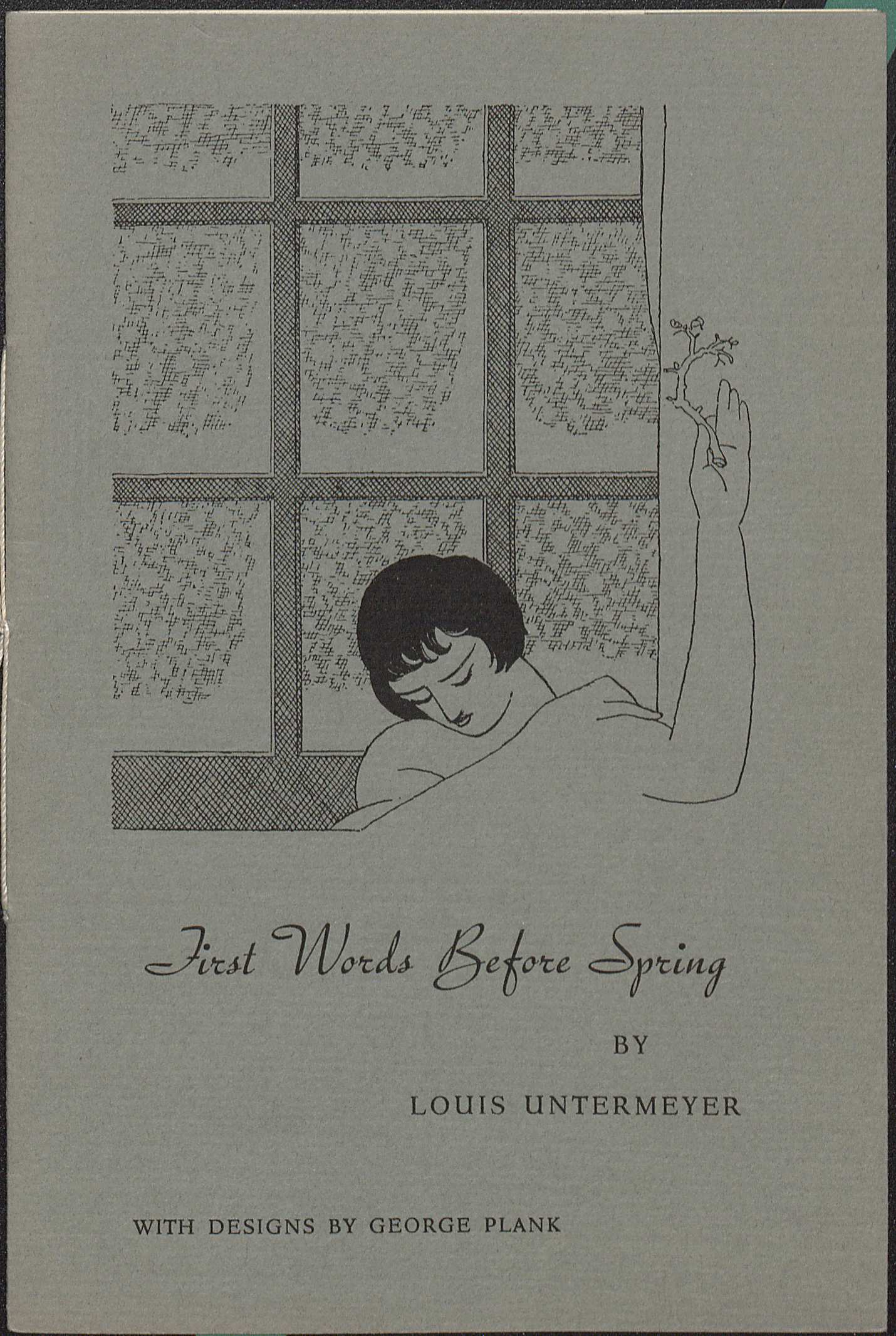
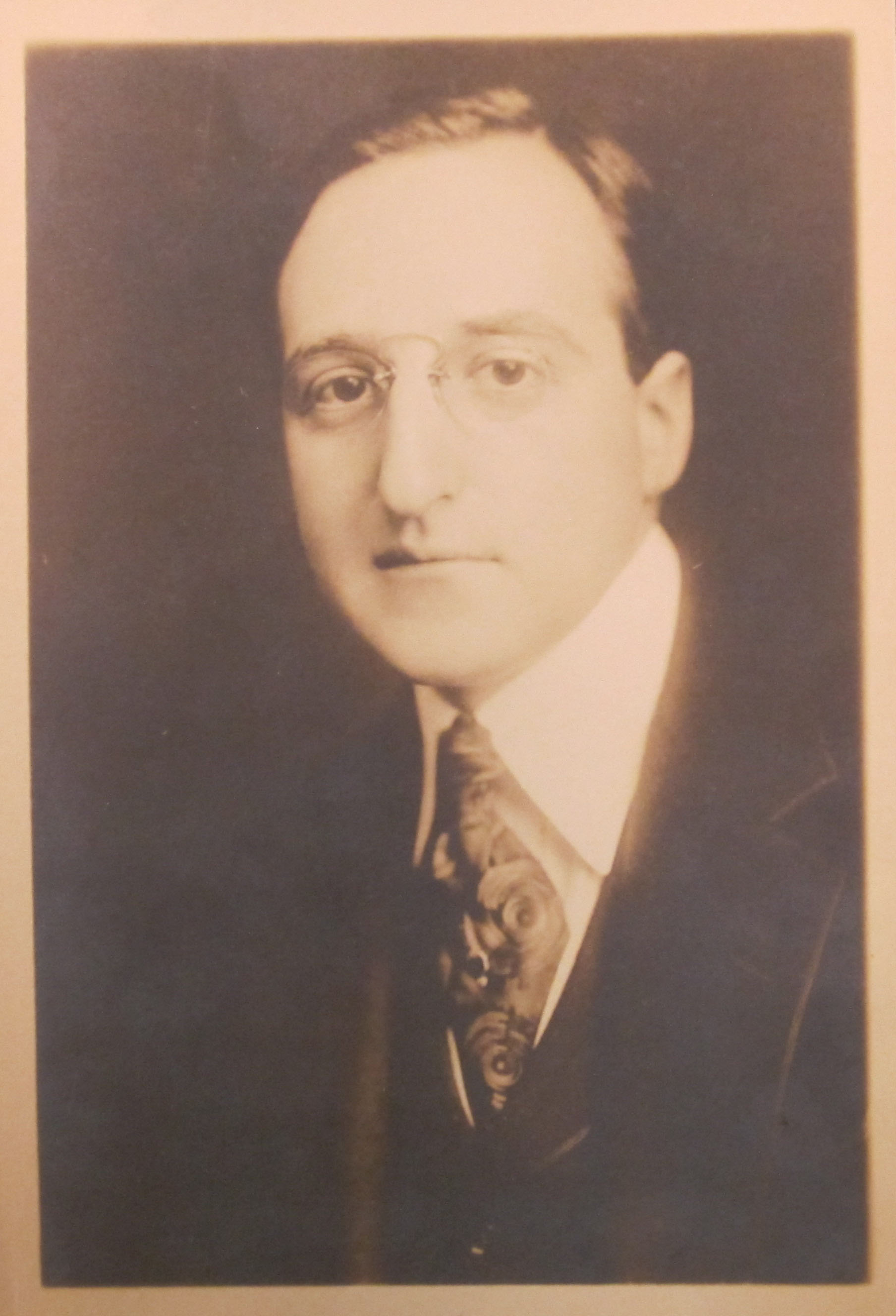
A successful poet, essayist, editor, critic, and television contestant, (What’s My Line?), Louis Untermeyer was also a prolific anthologist who brought contemporary poetry to millions of students and lovers of poetry. Untermeyer was named the fourteenth Poet Laureate Consultant in Poetry to the Library of Congress in 1961 and was friends with many contemporary poets, including and especially, Robert Frost.  A search of our online catalog shows just over 100 entries for Louis Untermeyer.

Contributed by George Riser, Collections and Instruction Assistant

Shown here is a 1933 chapbook printing of First Words Before Spring. (PS3541 .N72 F54 1933. Clifton Waller Barrett Library of American Literature. Image by Petrina Jackson.)

Shown here is a 1933 chapbook printing of First Words Before Spring. (PS3541 .N72 F54 1933. Clifton Waller Barrett Library of American Literature. Image by Petrina Jackson.)

Undated photograph of the Louis Untermeyer. (Barrett Print Files. Clifton Waller Barrett Library of American Literature. Photograph by Petrina Jackson.)

Undated photograph of the Louis Untermeyer. (Barrett Print Files. Clifton Waller Barrett Library of American Literature. Photograph by Petrina Jackson.)

U is for USA

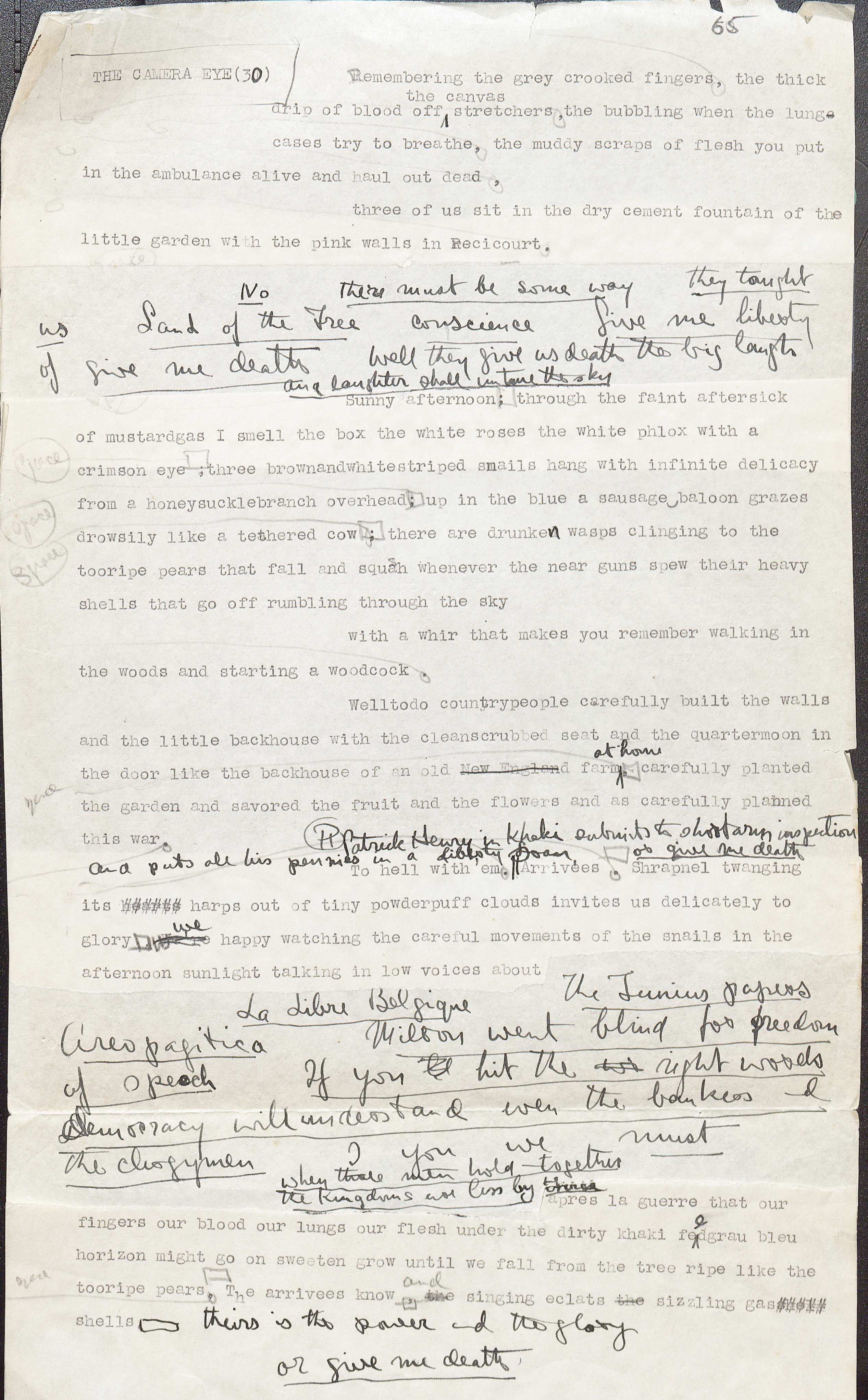
The USA trilogy by John Dos Passos is comprised of the novels The 42nd Parallel (1930); 1919 (1932); and The Big Money (1936). Dos Passos used experimental modes of narration including free indirect discourse; stream of consciousness in the sections called “The Camera Eye”; newspaper headlines and article fragments combined with song lyrics in the “Newsreels” sections; and short biographies of historical figures to present a sweeping view of American society in the first decades of the 20th century.  The novels reflect Dos Passos’s growing pessimism about political, social, and economic conditions in the United States during the Great Depression.

Contributed by Edward Gaynor, Head of Description and Specialist for Virginiana and University Archives

Advance copy of USA by John Dos Passos, 1938. (PS3507.O743 U5 1938. Clifton Waller Barrett Library of American Literature. Image by Petrina Jackson)

Advance copy of USA by John Dos Passos, 1938. (PS3507.O743 U5 1938. Clifton Waller Barrett Library of American Literature. Image by Petrina Jackson)

Early manuscript drafts of The Big Money, ca. 1932-1936. (MSS 5950. Permission . Image by Petrina Jackson)

Early manuscript drafts of The Big Money, ca. 1932-1936. (MSS 5950. Published with the permission of the John Dos Passos estate. Image by Petrina Jackson)

Manuscript draft of Nineteen Nineteen, ca. 1932. (MSS 5950. Image by Petrina Jackson.)

Manuscript draft of Nineteen Nineteen, ca. 1932. (MSS 5950. Published with the permission of the John Dos Passos Estate. Image by Petrina Jackson.)

That is all for now.  Join us again, when we cover the letter “V.”


Hot off the Press: Anne Spencer’s Home in the New York Times

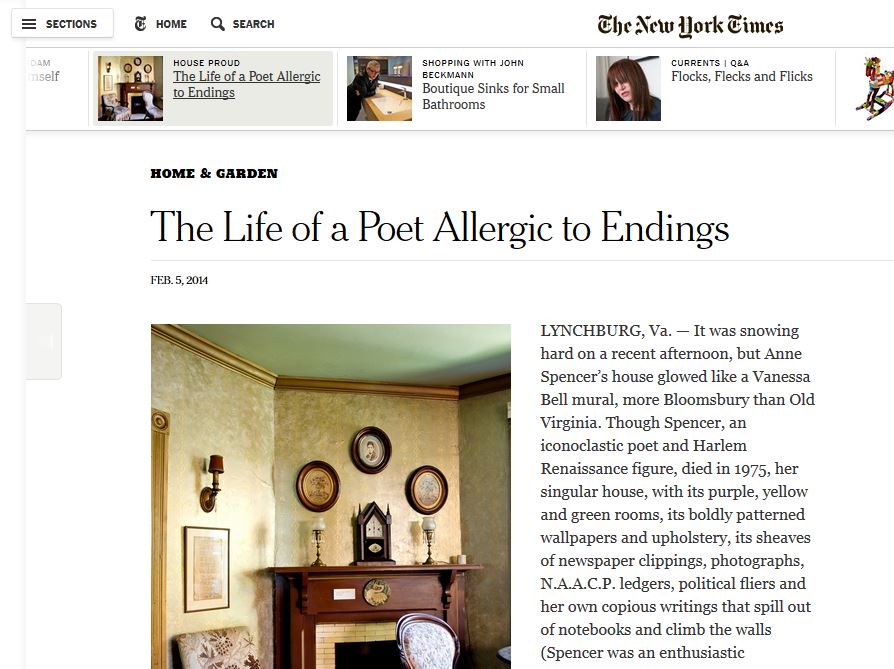
Today’s New York Times Home & Garden section features a marvelous article and slide show about the historic Lynchburg home of the Harlem Renaissance poet Anne Spencer, whose papers reside here in Special Collections. The slide show gives glimpses of Spencer’s distinctive modernist decorating style, her husband’s DIY projects, and their granddaughter’s recent work to restore the house. Don’t miss the image in the article showing how Spencer painted poetry on the walls of her kitchen.

times_image_spencerThe house is also featured on the cover of this year’s printed guide to Historic Garden Week, a state-wide annual event. Notably, this is the first time that an African-American garden has been featured on the cover of this guide.

We think this is a fitting event to celebrate today in particular, February 6. It was on this date in 1882 that the poet was born. Happy Birthday, Anne Spencer!


This Just In: Breaking Bad

No, not that “Breaking Bad”!  In fact, this writer confesses to having never seen the television series. Rather, this post concerns the practice of “breaking,” that is, disbinding a book or manuscript and dispersing the individual leaves, plates, or sections. The breaker believes that, at least in some instances, a book or manuscript is worth more broken up than intact.  Breaking up a book or manuscript may increase its monetary value, enhance its pedagogical utility, result in irreparable harm to the cultural record, or paradoxically, all of the above.  The question is a complex and controversial one, and opinions run the gamut from a willingness to break up anything for any expedient reason to the view expressed in the latest edition of John Carter’s ABC for Book Collectors: “Breaking up books, whether for filthy lucre or from higher motives, is wrong.”

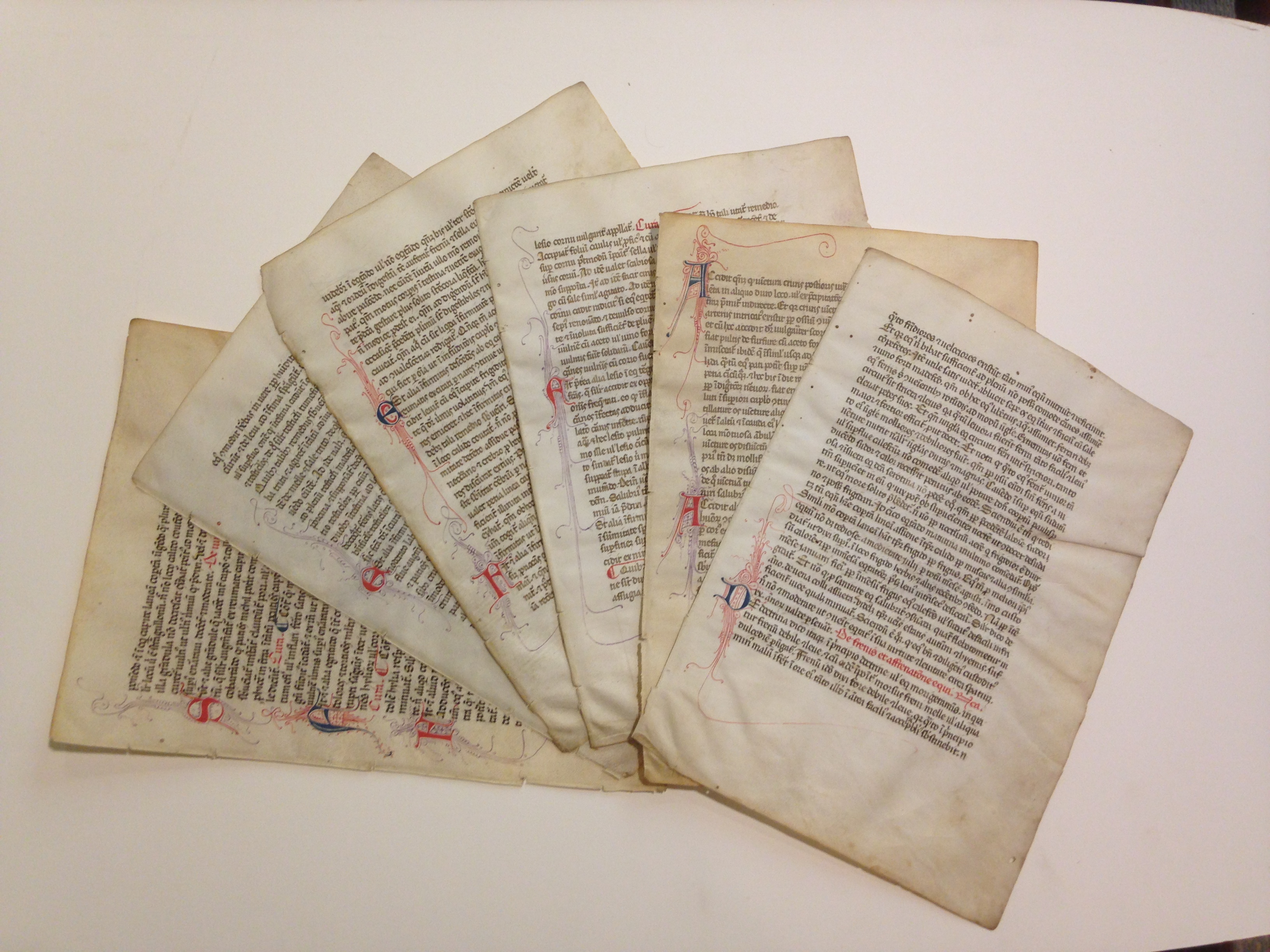
Disjecta membra: disbound, but not dispersed.

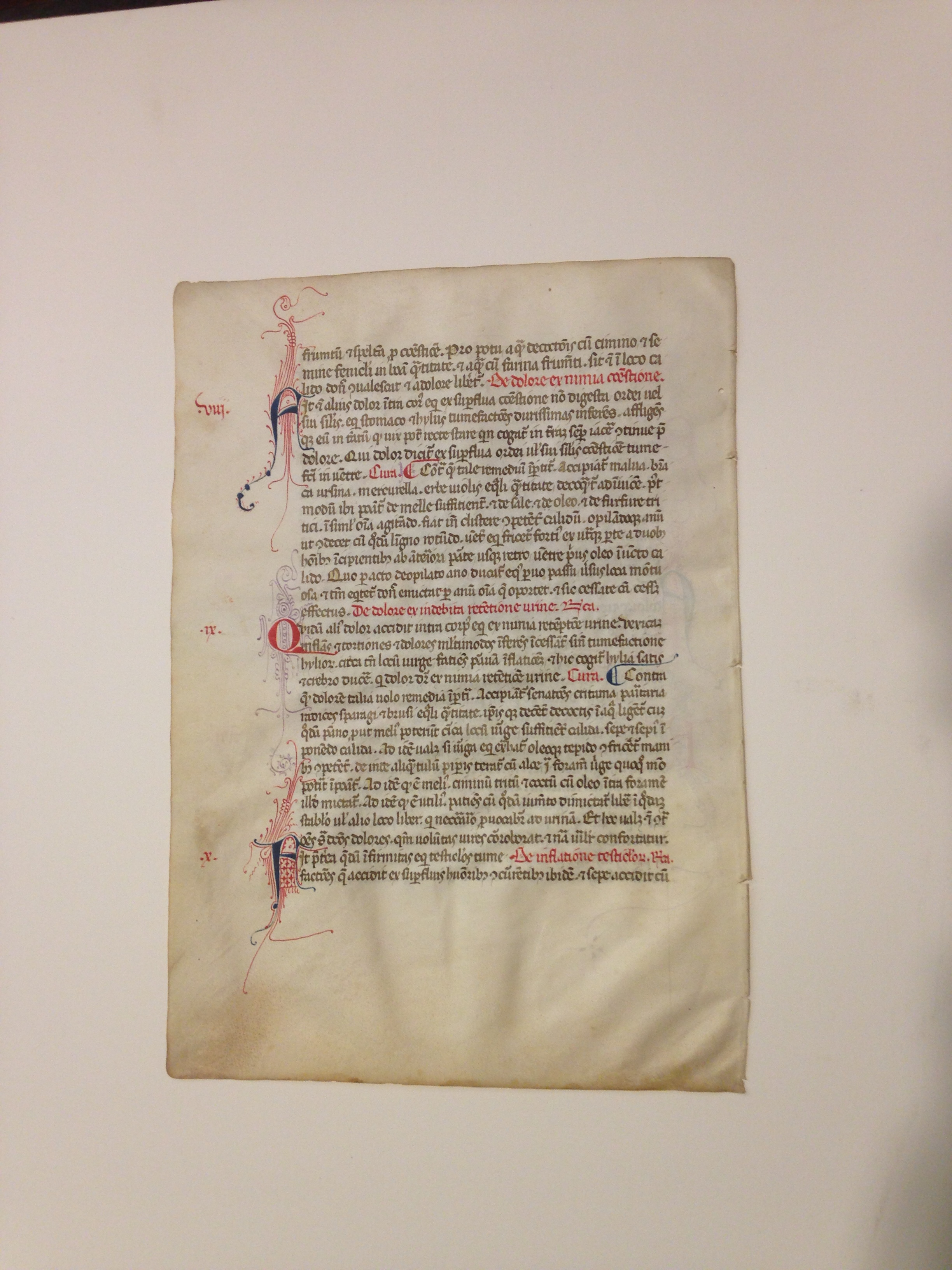
Disjecta membra: disbound, but not dispersed. Six recently acquired leaves from a mid-14th century manuscript of Giordano Ruffo’s De Medicina Equorum.  (MSS 15703)

It has long been, and remains, a frequent practice among book and print dealers to break up color plate books—especially imperfect copies—and sell the plates individually, with the text often discarded. Although this practice has effectively placed John James Audubon’s spectacular double elephant folio Birds of America on the endangered editions list, how else could one hope to possess one of its hand-colored engravings? Some might cast a kinder eye on the bookseller Gabriel Wells, who in 1921 broke up a modestly imperfect copy of the Gutenberg Bible, selling the nearly six hundred leaves individually or in sections, tipped into a specially published “leaf book.” Thanks to Wells, dozens of educational institutions worldwide have been able to acquire Gutenberg leaves for instruction and exhibition (U.Va. owns two at present). And by breaking up dozens of imperfect copies, some significant and valuable, U.Va.’s Rare Book School has created an extraordinary teaching resource for the history of book illustration and typography that has been used by several thousand students to date.

Perhaps nowhere has the practice of breaking been more fraught than in the realm of medieval manuscripts. In the last century alone, hundreds of medieval codices (especially Books of Hours) have been broken up, with the illuminated and more highly decorated leaves sold as works of art, some of the remaining leaves repurposed as specimens in paleography study collections (such as Special Collections’ Rosenthal Medieval Manuscript Collection), and others turned into collectibles or simply discarded.

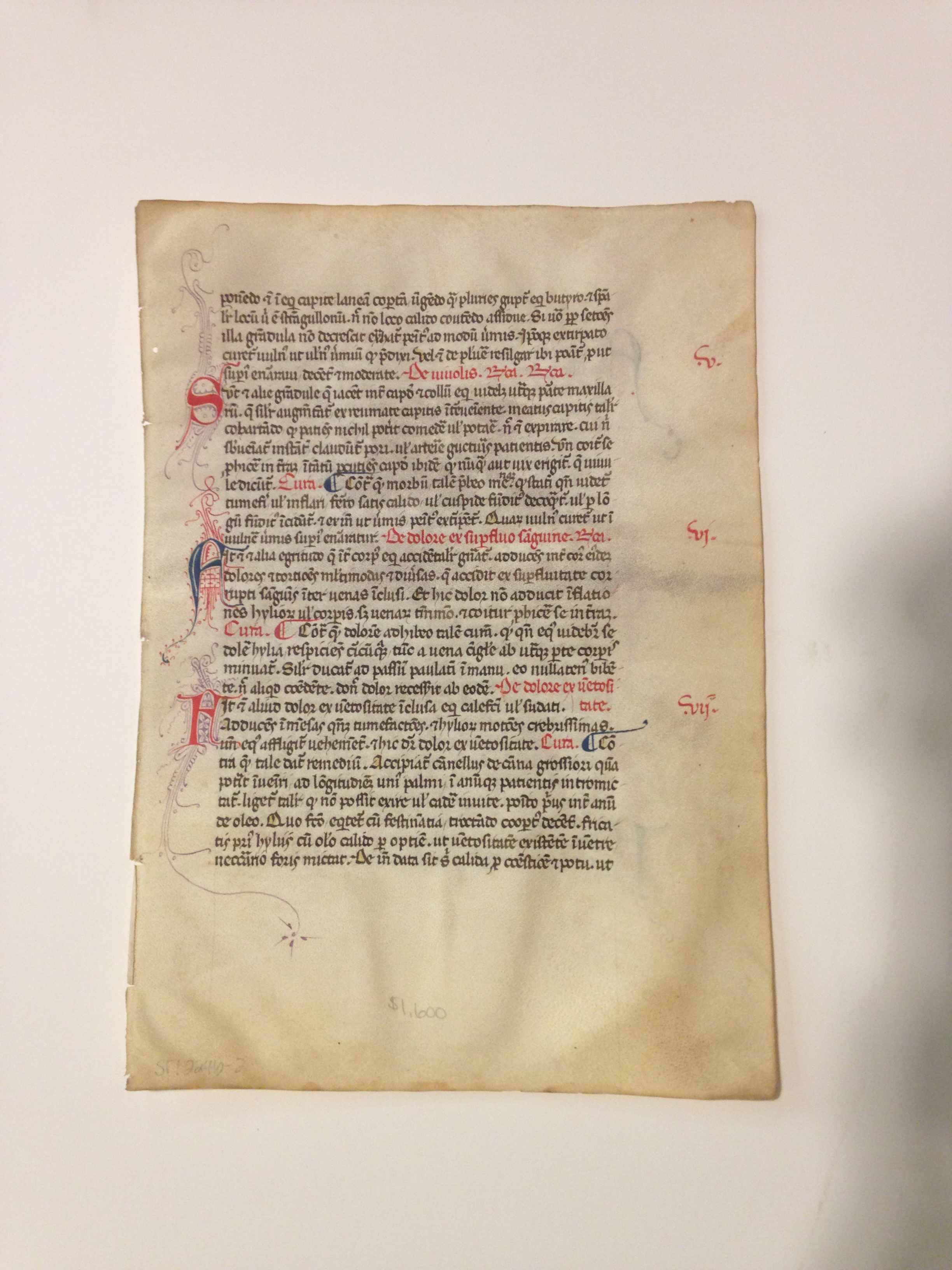
The manuscript leaves are finely rubricated in red and blue with incipits, paragraph marks, chapter numbers in the outer margin, and fine initial letters with penwork embellishments in red or purple.

The manuscript leaves are finely rubricated in red and blue with incipits, paragraph marks, chapter numbers in the outer margin, and fine initial letters with penwork extensions in red or purple.  (MSS 15703)

Consider Special Collections’ most recent medieval manuscript acquisition: six finely rubricated vellum leaves from a mid-14th century Latin manuscript, written in Italy, of Giordano Ruffo’s De Medicina Equorum, a treatise on the care of horses originally composed in the 13th century. Secular manuscripts on such topics from the medieval period are of great rarity—indeed, a survey conducted fifty years ago located only 21 manuscript copies of Ruffo’s text, all in European libraries—and we jumped at the opportunity to add these leaves to our Marion duPont Scott Sporting Collection.

Here is what we know about their provenance. In December 2011, 21 leaves from an imperfect copy of Ruffo’s manuscript were offered at a Sotheby’s auction in London. The leaves went unsold but were bought privately following the auction. This past fall we learned of the manuscript when an American bookseller’s catalog, in which eight of the leaves were offered, arrived in the mail. We promptly placed an order for all eight leaves, but two had already been sold. The bookseller subsequently reported that he had originally acquired 11 of the 21 leaves, three of which were sold to two different American research libraries, and two to private collectors in the U.S. and Europe, before U.Va. bought the remaining six. Eleven leaves, five new owners on two continents, with ten leaves still unaccounted for. U.Va.’s interest is primarily in the text, given our extensive holdings on the horse and equestrian sports, though the leaves will also be quite useful for research and instruction in the medieval book, paleography, &c. The other institutional and private collectors presumably were more interested in the leaves as paleographical specimens.

Verso of the manuscript leaf shown above. the chapters concern treatments for certain equine ailments.  (MSS 15703)

Verso of the manuscript leaf shown above. the chapters concern treatments for certain equine ailments. (MSS 15703)

All parties have benefited from these transactions: the booksellers made money, and the five new owners have acquired useful materials for their collections. But what of the manuscript itself? Any attempt to study the text and its relation to other exemplars has been seriously, perhaps fatally, compromised. (Fortunately, the bookseller kindly sent us study images of the five leaves we missed.) This is a chronic dilemma for any researcher using medieval manuscripts as primary sources. Various efforts are under way to reunite dispersed manuscripts virtually—Manuscriptlink (to which U.Va. intends to contribute its six Ruffo leaves), a project based at the University of South Carolina, is but one example. But these initiatives are unlikely to redress more than a small fraction of the losses already sustained, and still to come. And digital images—it bears constant repeating—can never supersede access to the original artifact.

Albemarle Garden Club Celebrates 100 Years of Service

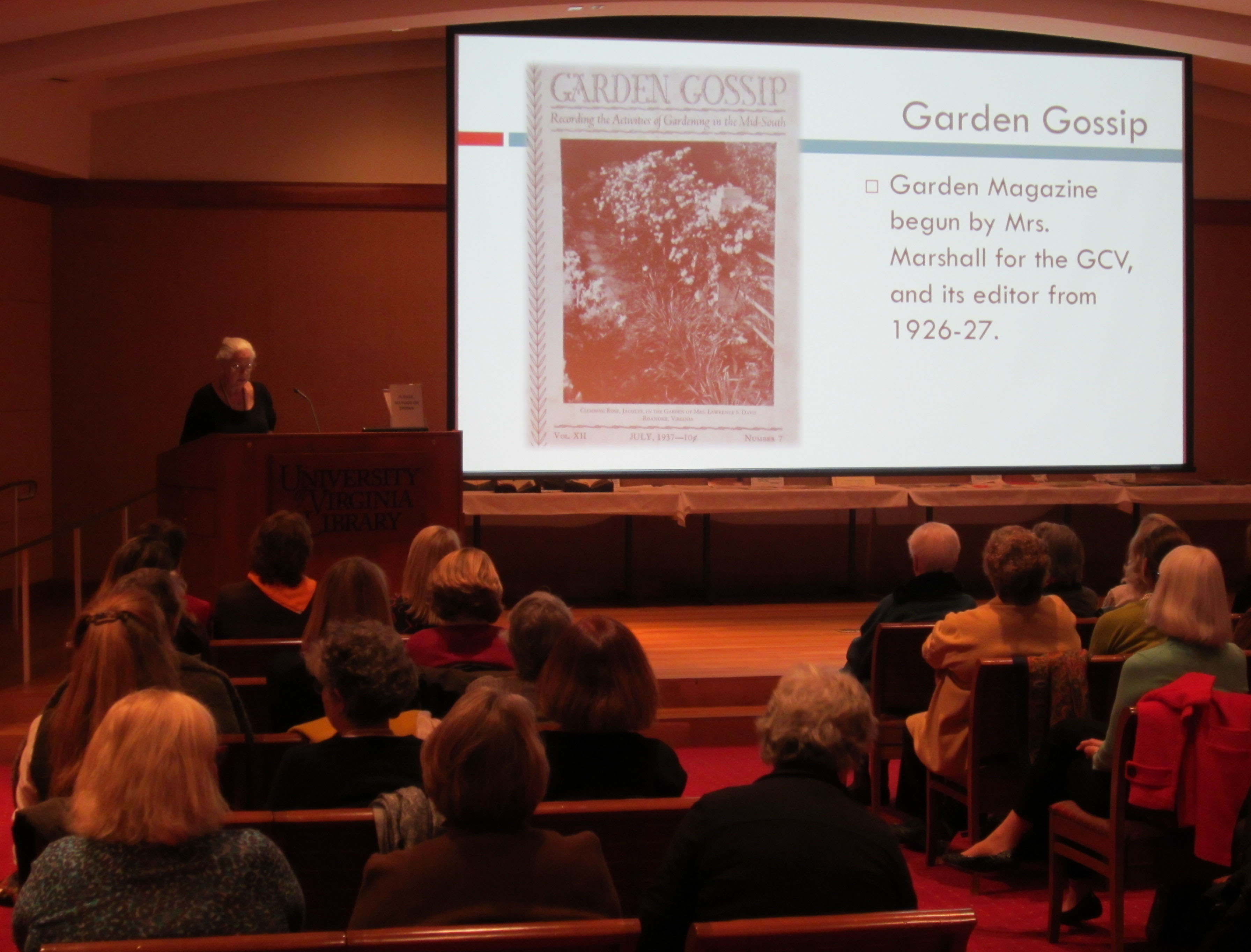
On November 19, 2013, the Albert and Shirley Small Special Collections Library had the pleasure of hosting the Albemarle Garden Club’s 100-year anniversary celebration and business meeting. The Club’s mission is “to encourage the knowledge and love of gardening; to protect our environment through education and conservation; and to promote community development and restoration.” The library’s holdings include this illustrious group’s archival records, documenting its 100 years of service.

During the event, club members viewed a wonderful array of items documenting the club’s history, President Kim Cory presented the Special Collections Library with a check, and Historian Mary Pollock shared an amazing history of the organization.

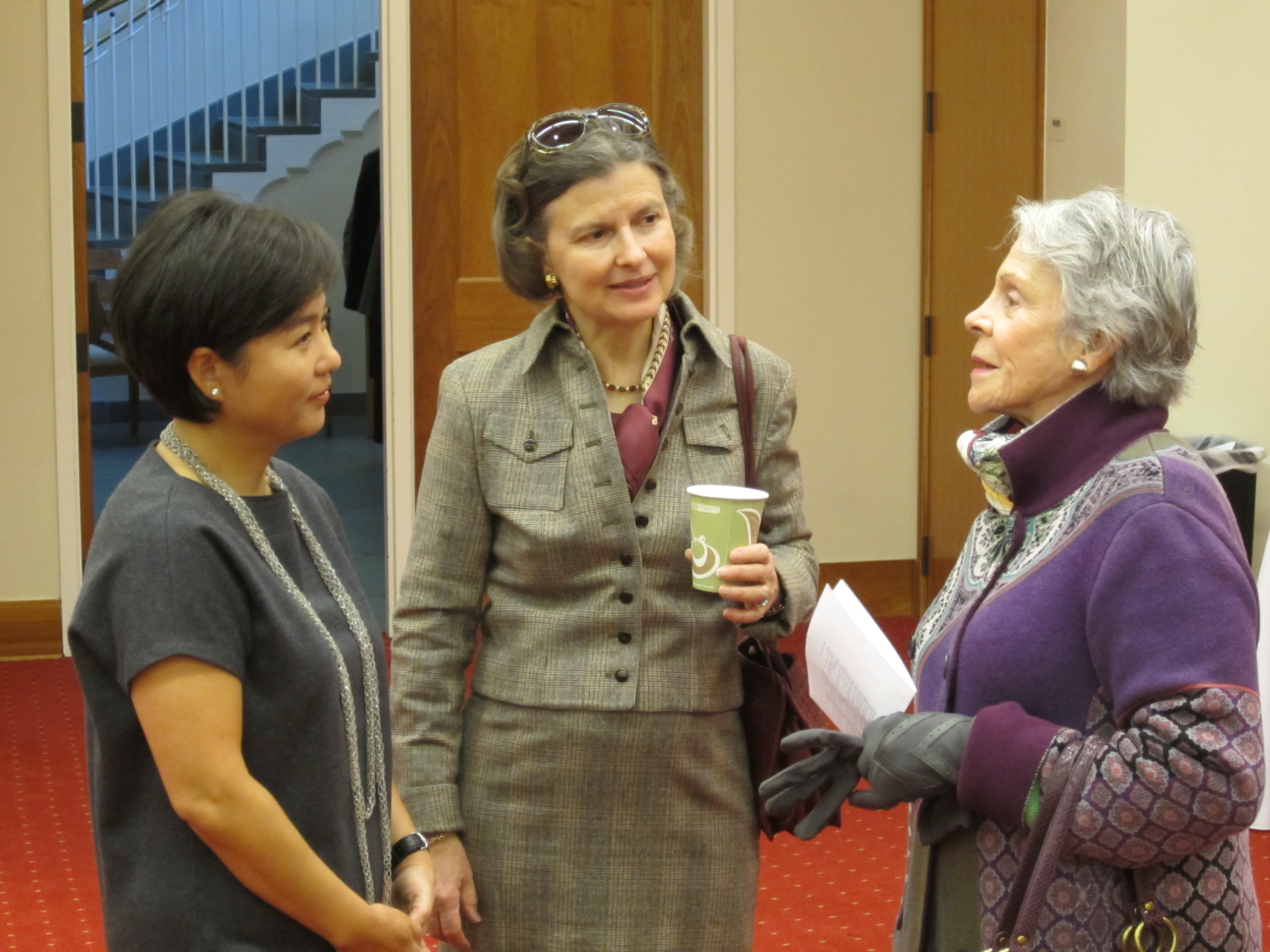
Albemarle Garden Club members catch up before the program begins. (Photograph by Petrina Jackson)

Albemarle Garden Club (AGC) members catch up before the program begins. (Photograph by Petrina Jackson)

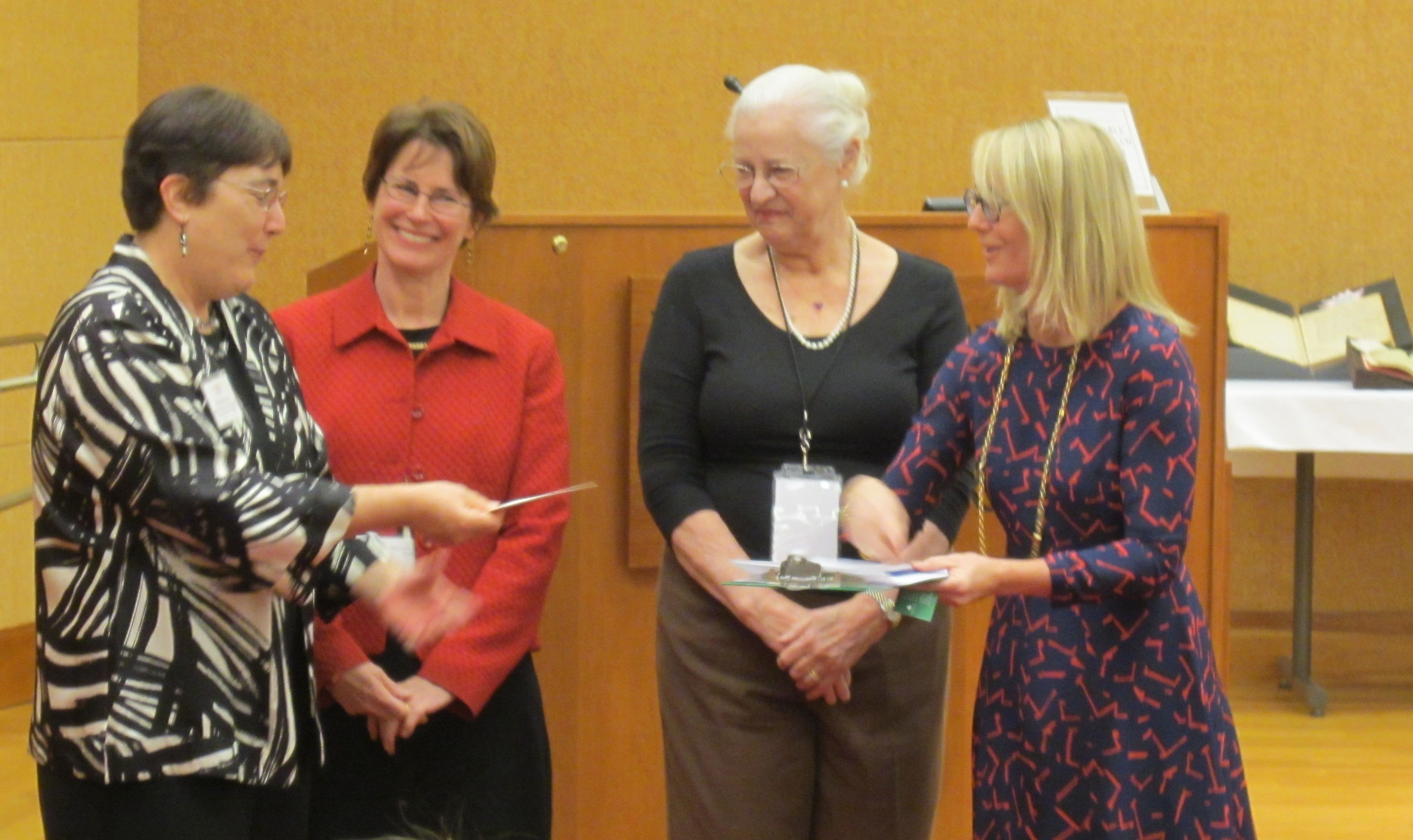
AGC President Kim Cody present Special Collections Director Nicole Bouche with a check as Head of Research Services Heather Riser and AGC Historian Mary Pollock look on. (Photograph by Petrina Jackson)

Albemarle Garden Club President Kim Cory present Special Collections Director Nicole Bouche with a check as Head of Reference and Researcher Services Heather Riser and AGC Historian Mary Pollock look on. (Photograph by Petrina Jackson)

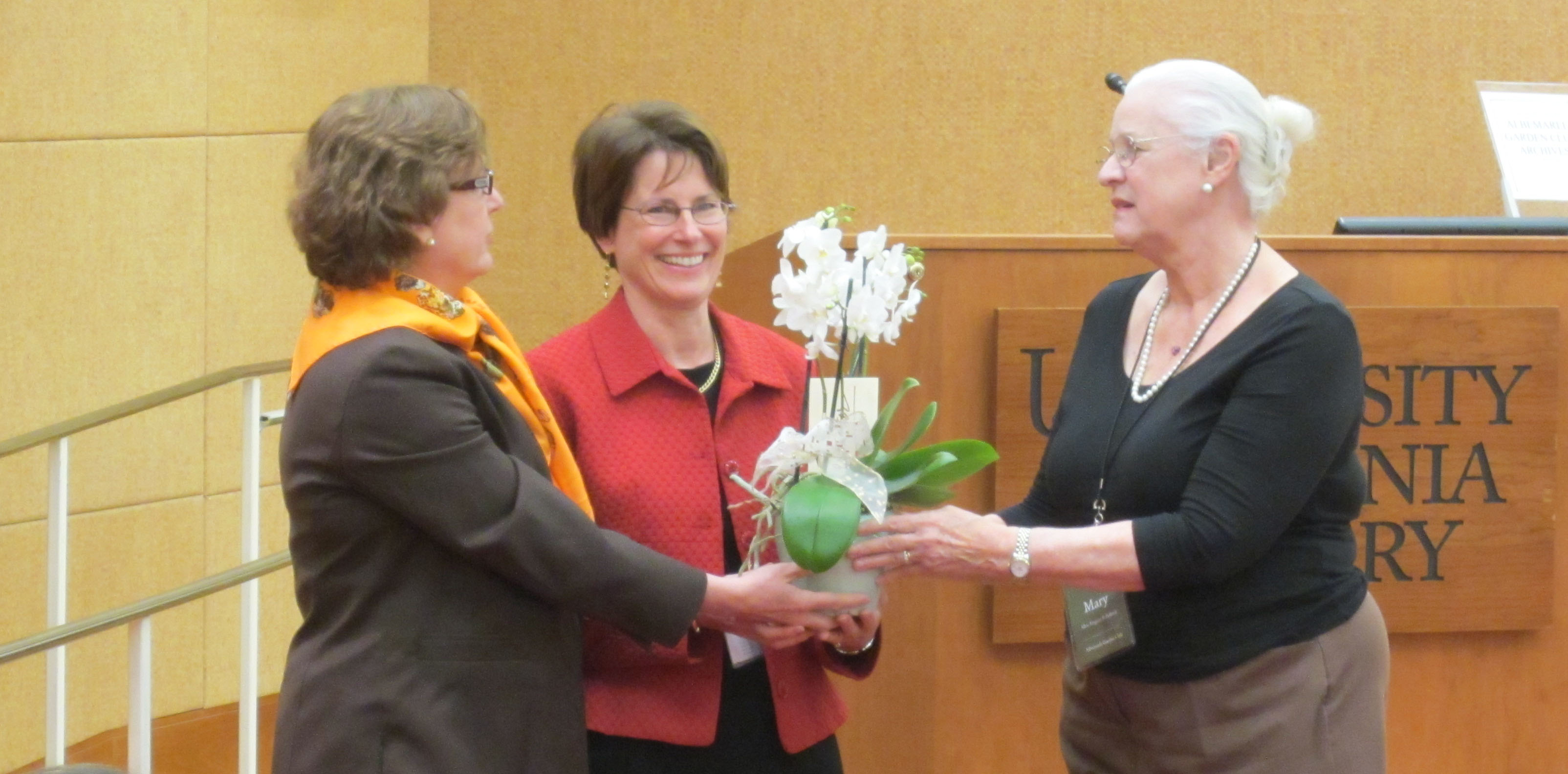
AGC members present Special Collections Head of Researcher and Reference Services Heather Riser with a for her tireless work in assisting the club with their 100 Anniversary program. (Photograph by Petrina Jackson)

AGC members present Head of Reference and Researcher Services Heather Riser with a orchid for her tireless work in partnering with the Club on their 100th Anniversary program. (Photograph by Petrina Jackson)

AGC Historian gives a presentation of the club's 100-year history. (Photograph by Petrina Jackson)

AGC Historian Mary Pollock gives a presentation of the Club’s 100-year history. (Photograph by Petrina Jackson)

Special Collections acquired the Records of the Albemarle Garden Club in 1987.  The records include meeting minutes, reports, yearbooks, handbooks, programs and miscellaneous letters from Club members as well as histories of the Club written by Elizabeth B. Gamble and Mary Stuart Cocke Goodwin. In 2013, the library obtained a second group of records from the club, including year-by-year histories, obituaries, awards, calendars, photographs, and miscellaneous materials.

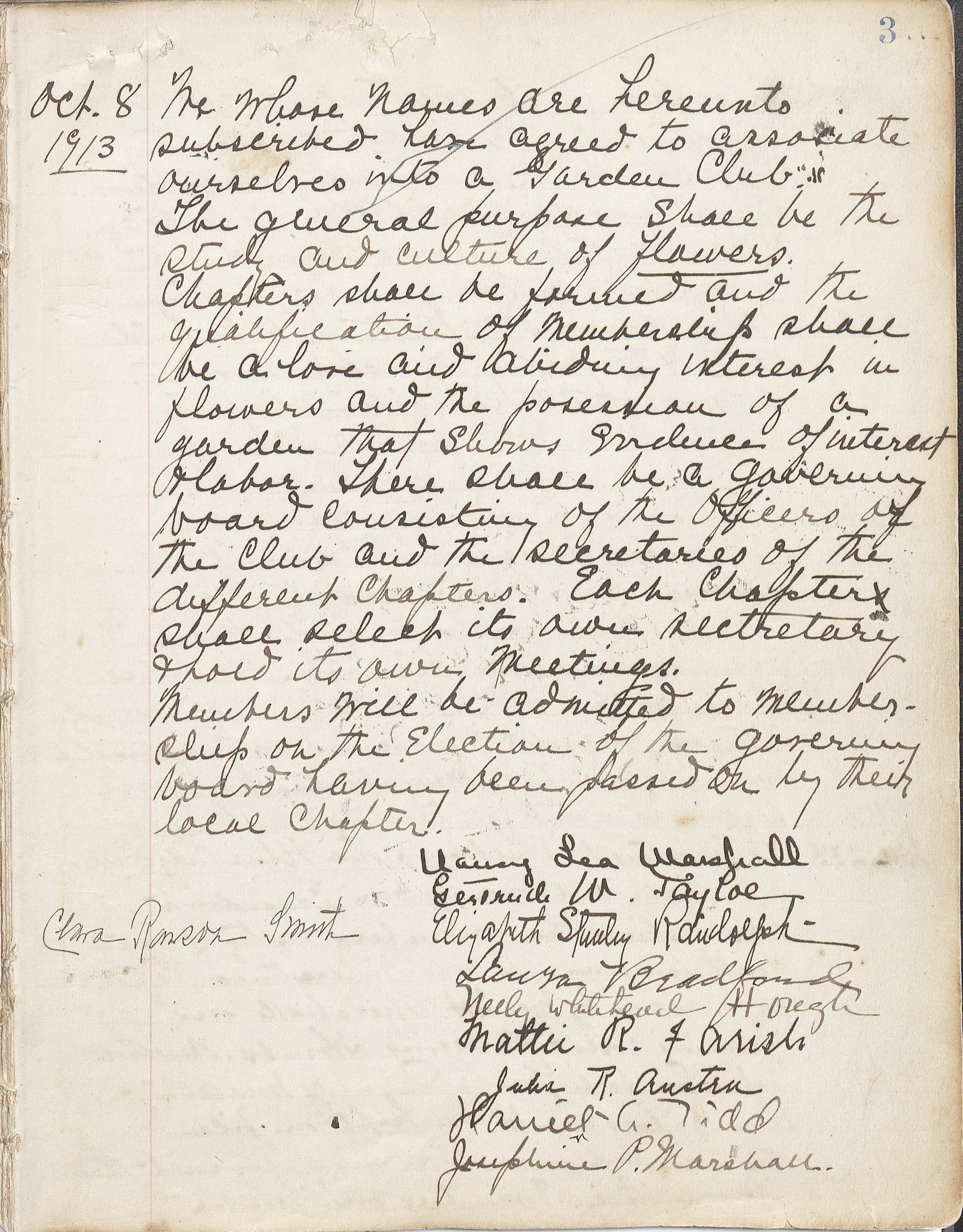
First entry of the first minute book of the Albemarle Garden Club, 1913. (MSS 5520. Image by Petrina Jackson)

First entry of the first minute book of the Albemarle Garden Club, 1913. (MSS 5520. Image by Petrina Jackson)

Albemarle Garden Club year book, 193.  The year book features the club's programs, members, and other activities. (MSS 5520. Image by Petrina Jackson)

Albemarle Garden Club year book, 1934-1953. The year book features the Club’s programs, members, and other activities. (MSS 5520. Image by Petrina Jackson)

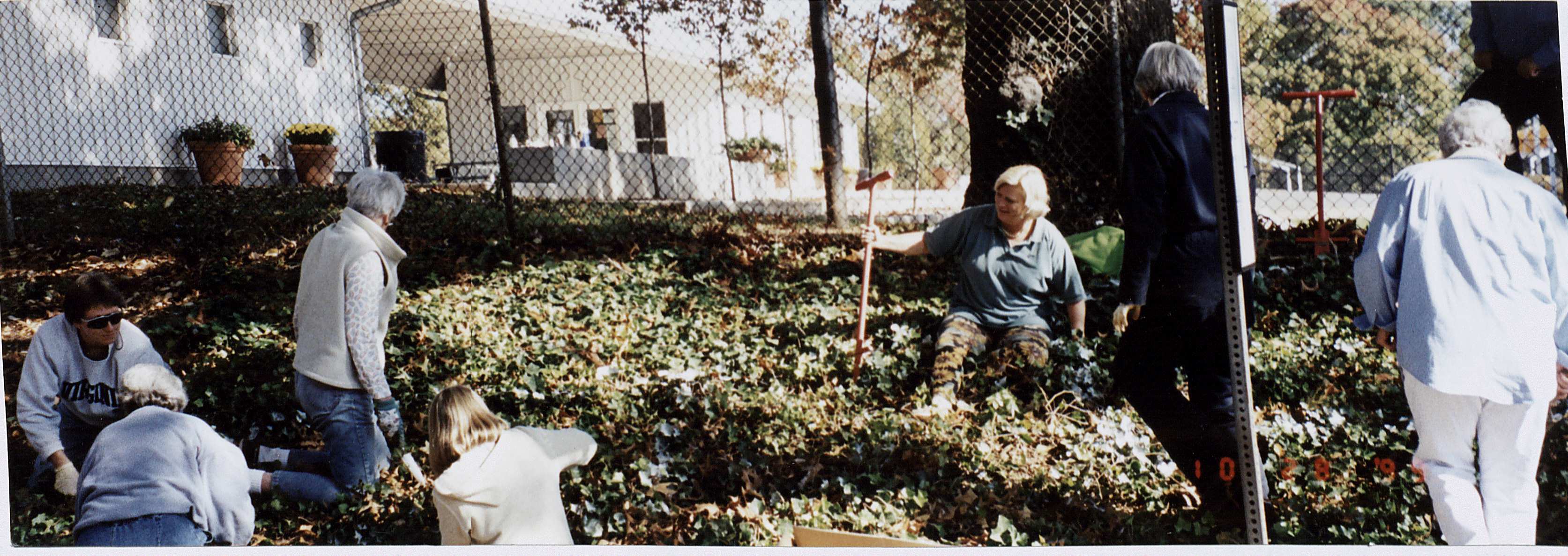
AGC members at work at , 1999. (Image by Petrina Jackson)

AGC members at work at Booker T. Washington Park, Charlottesville, October 1999. (MSS 15320. Image by Petrina Jackson)

We celebrate all of the great work the Albemarle Garden Club is doing in the community and look forward to its continued partnership with the Library!

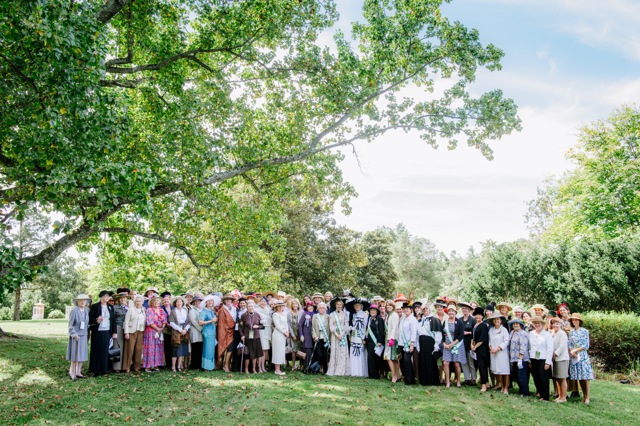
Albemarle Garden Club, ()

Photograph of Albemarle Garden Club by Jen Fariello, taken at Morven on September 18, 2013. Morven is the birthplace of the Albemarle Garden Club and the site of the first meeting of the Centennial celebration.

This Just In: Architectural Publications

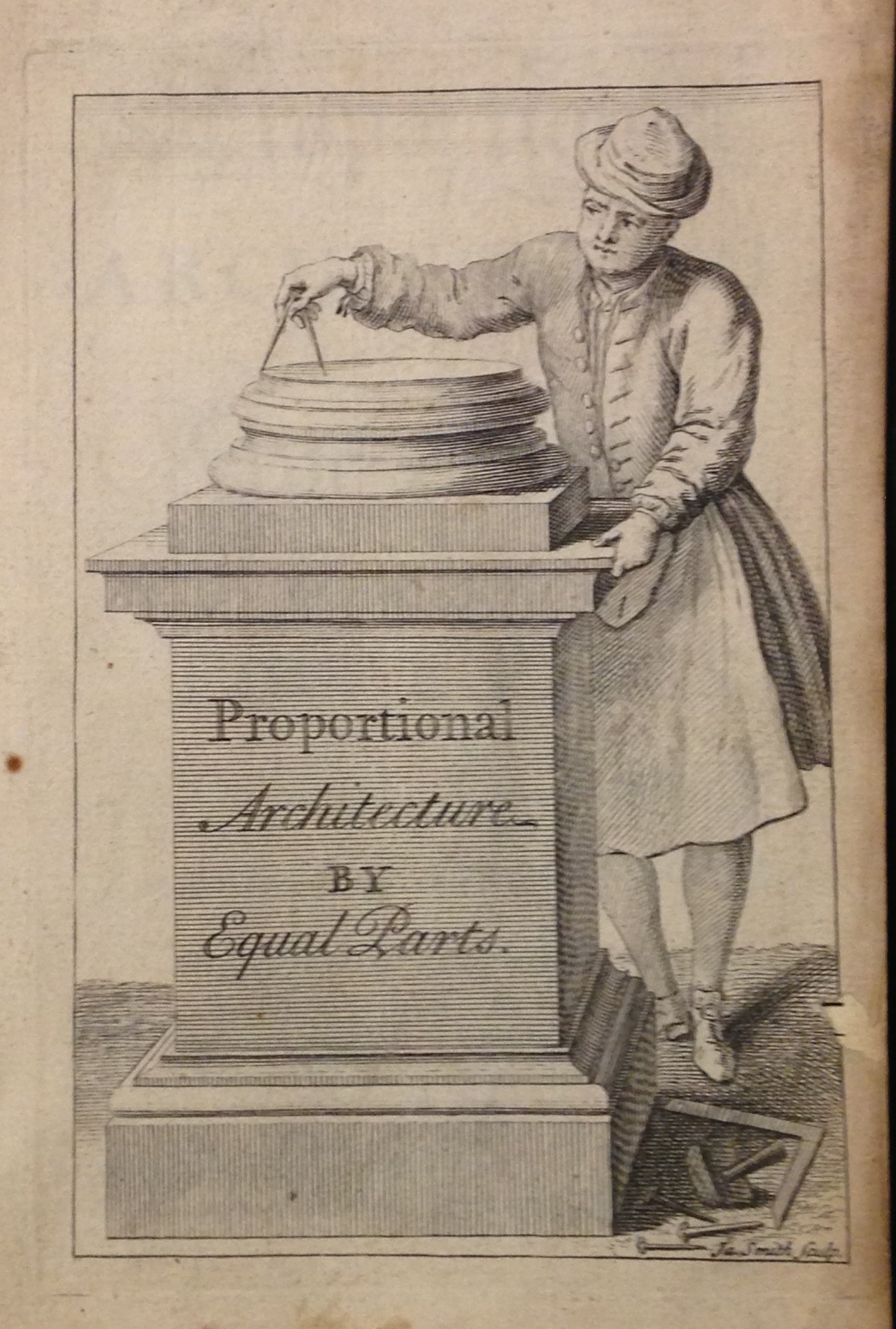
Frontispiece to William Robinson's Proportional Architecture; or, the Five Orders. London, 1736.  (NA2810 .R65 1736)

Frontispiece to William Robinson’s Proportional Architecture; or, the Five Orders. London, 1736. (NA2810 .R65 1736)

U.Va. has long been famous, not only for its Thomas Jefferson-designed Academical Village, but also for its highly ranked academic programs in architecture, architectural history, and landscape architecture. Supporting these programs has been a priority for the U.Va. Libraries, and strong collections are to be found in the Fiske Kimball Fine Arts Library as well as under Grounds in the Albert and Shirley Small Special Collections Library. Following is a sampling of our recent acquisitions in the field of architecture.

Given the thousands of books amassed by Thomas Jefferson for his personal libraries, it has never been practicable for U.Va. to replicate these collections. Since 1956, however, we have endeavored to reconstitute a small subset: the fine arts books that Jefferson selected for the original U.Va. Library collection (only 17 of which survived the 1895 Rotunda fire), plus the architectural titles found in Jefferson’s personal libraries. These total 130 in all, as fully described in William B. O’Neal’s checklist, Jefferson’s Fine Arts Library (Charlottesville: University Press of Virginia, 1976). With substantial support from the Thomas Jefferson Foundation and other sources, the U.Va. Library has managed to acquire copies of no fewer than 112 of the 130 titles— only 18 to go! (For the curious: our desiderata are O’Neal numbers 9, 11, 12, 16, 17, 31, 41, 43a, 50, 61a, 62, 65, 70, 74, 77, 79, 103, and 125b.)

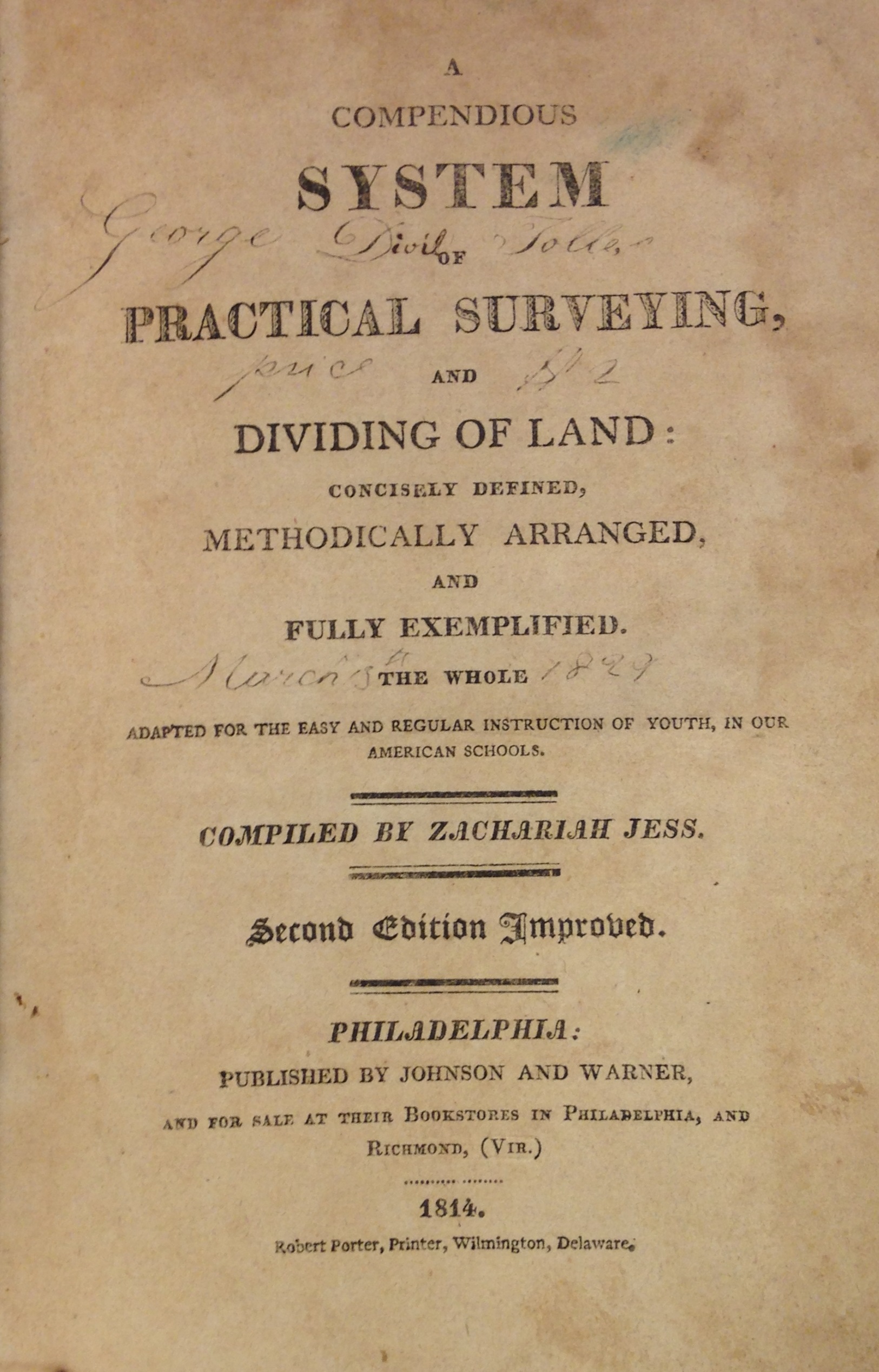
Title page, with 1829 purchase inscription, of Zachariah Jess's Compendious System of Practical Surveying. Philadelphia, 1814.  (TA544 .J59)

Title page, with 1829 purchase inscription, of Zachariah Jess’s Compendious System of Practical Surveying. Philadelphia, 1814. (TA544 .J59)

From time to time we search the Internet for available copies of O’Neal desiderata, and last month we were able to tick no. 57—the Philadelphia, 1814 edition of Zachariah Jess’s A Compendious System of Practical Surveying—off our list.  A copy of this edition was included in Jefferson’s final personal library, formed following the 1815 sale of his earlier library to the United States government. We know this because Jefferson’s remaining books were sold at auction, in Washington, D.C., in late February and early March of 1829; the printed auction catalog lists a copy of Jess as lot 414. An Internet search revealed a nice, reasonably priced copy being offered for sale by, of all places, a Nevada antiques shop. Intriguingly, the book was described as bearing a March 13, 1829 purchase inscription—could this possibly have been Jefferson’s own, untraced copy?! The purchaser, George D. Tolle, had indeed lived near Washington, D.C. in the mid-1820s, but further investigation revealed that he had relocated to Kentucky by 1829. A Jefferson provenance, alas, is unlikely.

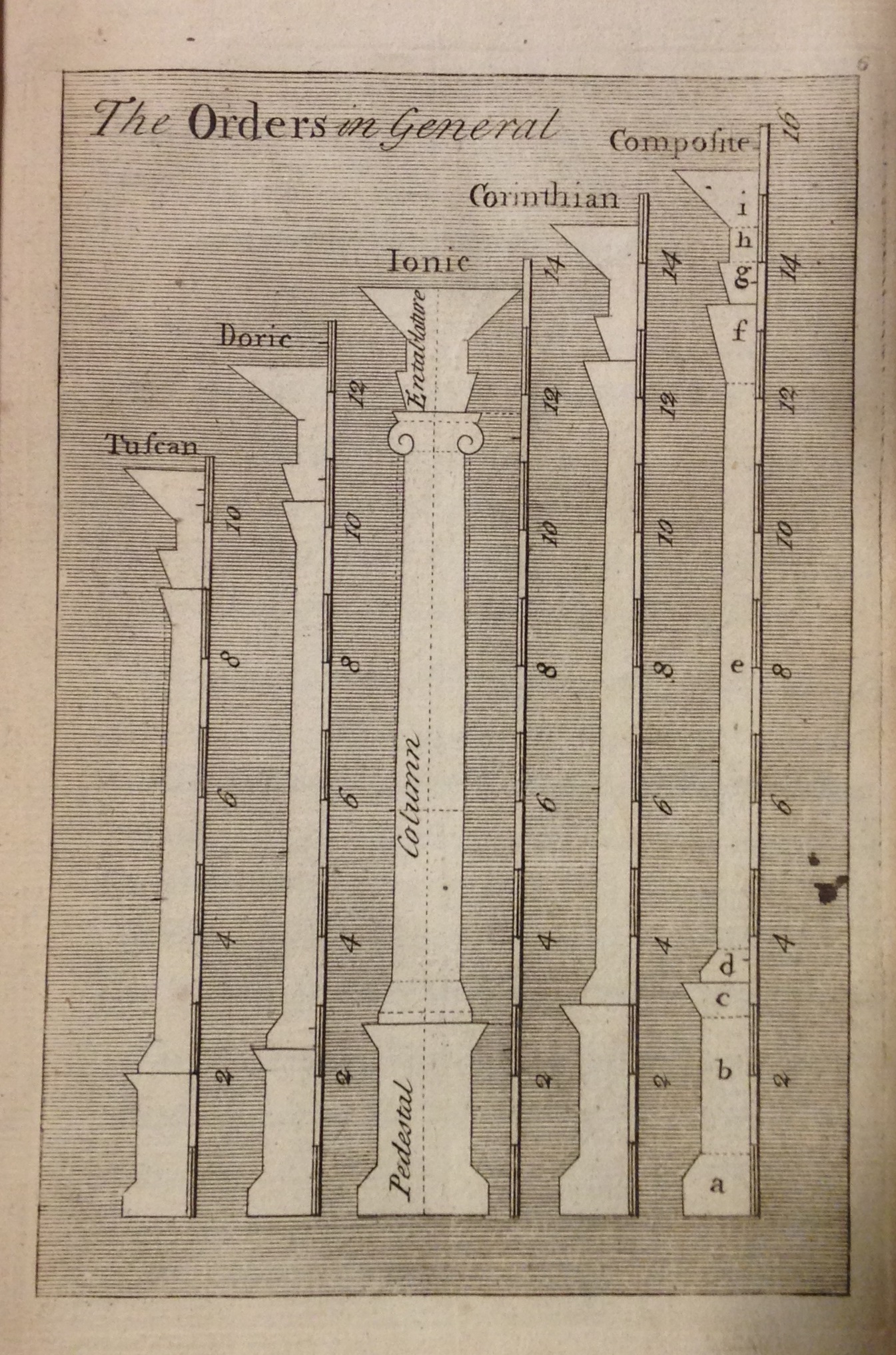
Everything in proper proportion: a plate from William Robinson's Proportional Architecture; or, the Five Orders. London, 1736.  (NA 2810 .R65 1736)

Everything in proper proportion: a plate from William Robinson’s Proportional Architecture; or, the Five Orders. London, 1736. (NA 2810 .R65 1736)

Even if not once owned by Jefferson, 18th-century architectural pattern books and manuals are of special interest to us. In an age when most structures were designed, not by architects per se, but by master builders and skilled amateurs (such as Jefferson), the books they drew upon for inspiration remain useful primary sources. William Robinson’s Proportional Architecture; or, The Five Orders; Regulated by Equal Parts, containing 32 leaves of engraved text and diagrams, was first issued in 1733. We recently acquired a fine copy of the second, pocket-size, edition of 1736, to which was added a 15-page letterpress glossary of architectural terms used in the work. With this book as a reference, a builder would know how to size architectural details in any of the five architectural orders. Robinson’s work remained sufficiently popular to merit a reissue in 1759.

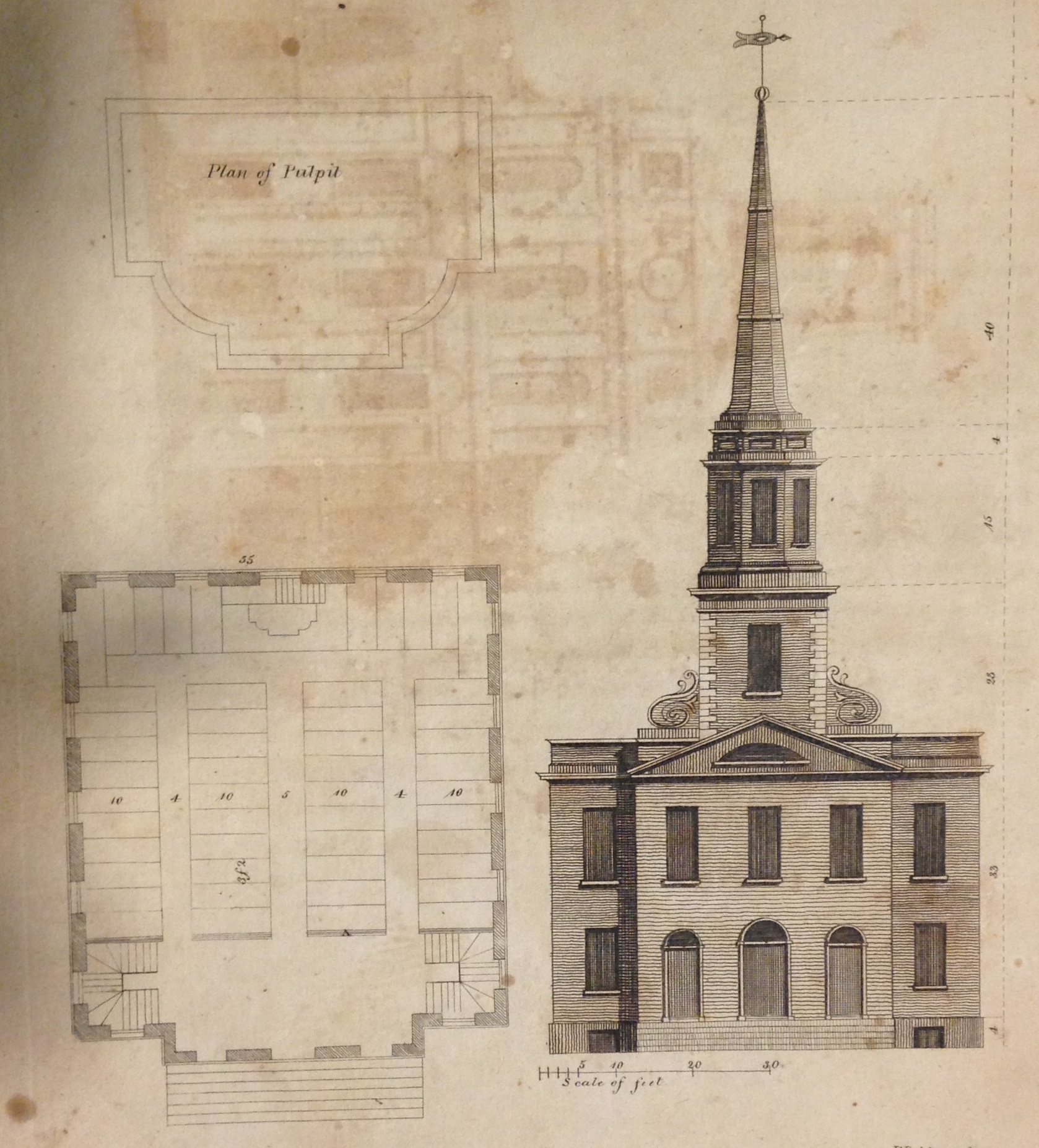
Plan and elevation for a "meetinghouse" by Asher Benjamin.

Plan and elevation for a “meetinghouse” by Asher Benjamin.

Greenfield, Mass., architect Asher Benjamin published the first original American architectural pattern book in 1797. The first edition of his profoundly influential (and very rare) Country Builder’s Assistant still eludes us, but recently we were able to acquire a copy of the 1798 second, expanded edition published in Boston. Benjamin’s work offered in its 37 engraved plates far more detail than in Robinson’s earlier handbook, and it was rapidly embraced by local builders. Indeed, many early 19th-century private homes and public buildings either designed by Benjamin or clearly based on his pattern book can still be found throughout New England. Benjamin soon relocated to Boston, where he published several other pattern books.

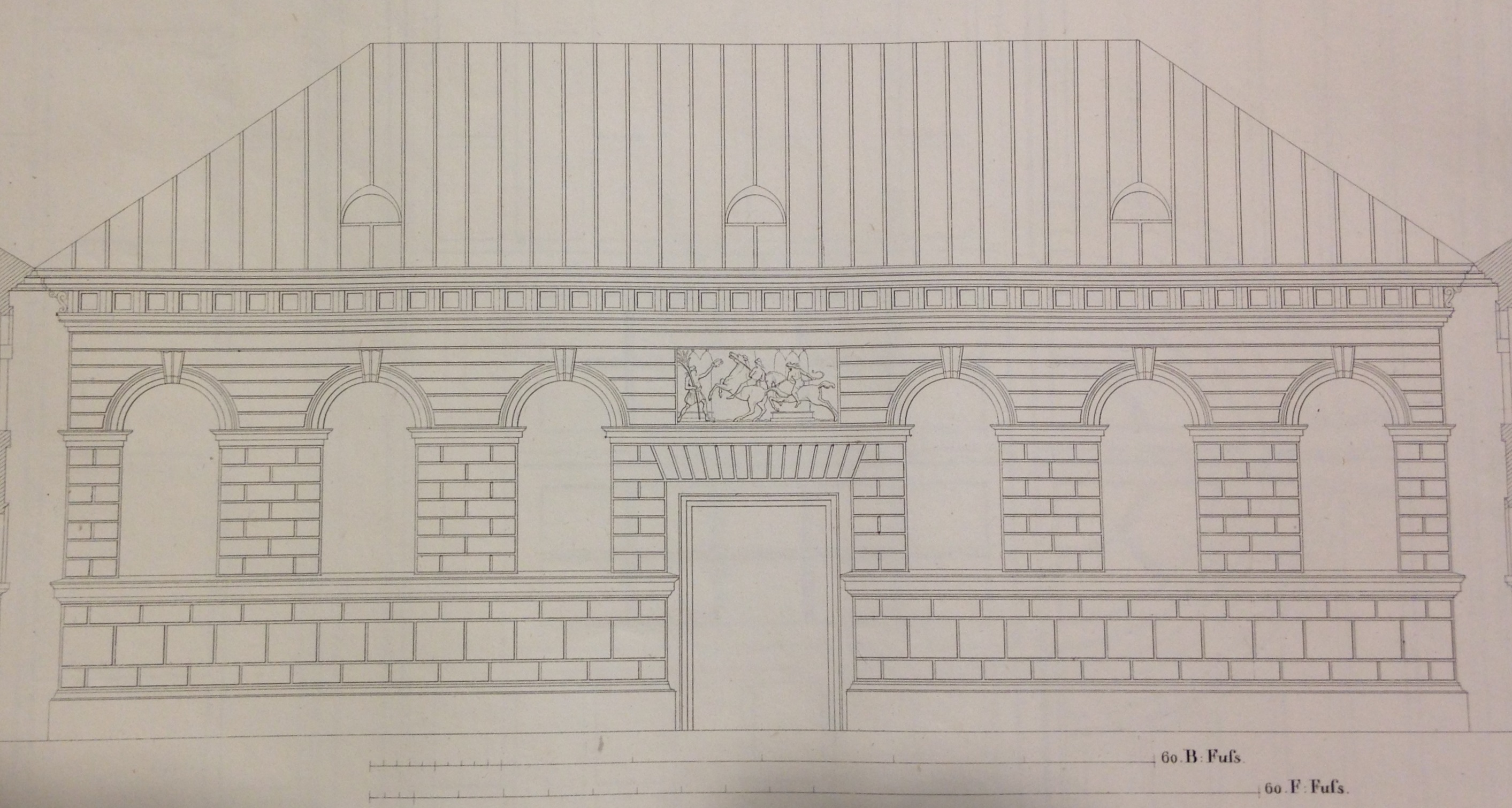
Facade of the riding academy designed by Jean Baptiste Metivier, from Grund-Plane, Durchschnitte und Facaden nebt Details der Reitbahm und Stallungen. Munich, 1836.  (NA8340 .M48 1836)

Facade of the riding academy designed by Jean Baptiste Metivier, from Grund-Plane, Durchschnitte und Facaden nebt Details der Reitbahm und Stallungen. Munich, 1836. (NA8340 .M48 1836)

One may not think to consult our Marion duPont Scott Sporting Collection for architectural publications, but in fact it includes a small but significant holding of early works relating to the design and construction of equestrian facilities. The most recent (and now the earliest such publication) to be added is the only recorded copy of Jean Baptiste Metivier’s Grund-Plane, Durchschnitte und Facaden nebst Details der Reitbahm und Stallungen (Munich, 1836). Born in Rennes and trained as an architect in Paris, Metivier (1781-1853) spent most of his career in Munich, where several of his buildings may still be seen. This, his third and final publication, is a portfolio of 14 large lithographic plates depicting plans, elevations, and architectural details for the riding school and stable buildings commissioned by the Princely House of Thurn and Taxis.

Architectural detail from Metivier, Grund-Plane ... Munich, 1836.  (NA8340 .M48 1836)

Architectural detail from Metivier, Grund-Plane … Munich, 1836. (NA8340 .M48 1836)

Patron’s Choice: The Life and Times of A. J. Weed

This week, we are pleased to feature a guest post from researcher Charles Morrill. Mr. Morrill is an independent scholar researching the creation of Thomas Jefferson’s polygraph by Charles Willson Peale and John Isaac Hawkins. He is also a guide at Jefferson’s home, Monticello.

Contemporaries called Arthur J. Weed the “shop man” of the University of Virginia physics department, but he was much more. True, he was a machinist, a woodworker, and also a photographer, but he was even more than those things as well.

He was a scientific-instrument maker from upstate New York who often lived in the basement of Rouss Hall, the building that housed the university physics department in the years between the great wars of the last century. He could make, machine, or build just about anything. For years he quietly worked to advance physics; medicine; and frequently on his own time, and with his own money, the science of detecting earthquakes.

He came up with a type of strong motion seismograph used by the U.S. government for many years, and machined the precise parts that allowed U.Va.’s physics department to do important work in the 1930s.

The students called him “old Weed,” but never to his face. He came to U.Va. around 1920, a slender, middle-aged man who sported a “Mr. Chips” head of white hair and round glasses that probably made him look Edwardian by the standards of the Jazz age.

He didn’t seem to mind.

Arthur J. Weed at work.( Digital image from glass plate negative by University of Virginia Digitization Services.)

Arthur J. Weed at work.(MSS 12558. Digital image from glass plate negative, by University of Virginia Digitization Services.)

In fact, Weed seems to have been as amused by the students as they were of him. He once told Professor Frederick Lyons Brown that students used to measure the acceleration of gravity by dropping a brick down an open stairwell at Rouss Hall and timing it with a stopwatch.

“But,” said Weed. “This practice was discontinued when one boy became flustered and dropped the watch and tried to time it with a brick.”

He loved photography and cats. He worked for the university hospital too, taking high-quality microscopic images so students could learn the processes of disease.

And he loved the university itself, constantly photographing its buildings, sporting events, and graduations. He seems to have stuck with glass-plate negatives for most of his life. Special Collections has nearly two hundred photographs taken by Weed, nearly a hundred on extremely fragile thin glass plates: cats, the lawn, his wife Emma, more cats, vacations, and always another shot of the Rotunda in the spring, in the summer, in the fall, and in the winter.

He captured Monticello in its first few years as a public museum before much restoration. Weed did his part for that effort too. That’s how I found out about him.  In 1922, he restored Jefferson’s polygraph, or copy machine, for U.Va.

The University of Virginia's polygraph, which is on long-term loan to Thomas Jefferson's Monticello. (MSS ****. Image courtesy of Monticello.)

The University of Virginia’s polygraph as it looks today, almost a century after Weed’s restoration work. The polygraph is on long-term loan to Thomas Jefferson’s Monticello and is seen by nearly a half-million visitors yearly on the house tour. (Image courtesy of Monticello.)

“The polygraph has just been restored to a working condition in the workshop of the Rouss Physical Laboratory at the University of Virginia by the mechanical A. J. Weed,” the Washington Post reported on May 28, 1922.

UVA subsequently loaned the machine to Monticello in 1947. It remains on view for visitors in Jefferson’s “cabinet” or study.

Weed lived in more humble surroundings, and stuck to a simple bed in the basement of Rouss Hall. He apparently commuted home to Washington D.C. on weekends until the early 1930s when he and his wife Emma bought a house on 17th Street in Charlottesville.

And it was in the depths of Rouss Hall that Weed worked to perfect his great love: the strong-motion seismograph.

Though seismographs had been around for decades in Weed’s time, instrument makers tended to make them ever more sensitive. Trouble was, if an earthquake actually took place next to such a device it could not record anything meaningful. At the suggestion of an engineer he’d heard at a lecture, Weed worked at devising instruments tuned to “hear” and record strong vibrations on the theory that they might be of use to those who designed bridges and buildings in earthquake zones.

He was, of course, absolutely right.

“Mr. Weed has designed an instrument easily portable and capable of making an accurate record of stresses and strains in a building shaken by a quake,” the Associated Press reported on May 4, 1932. “It is set with a hair trigger that releases with the first tremor. For the next two minutes a record of the quake intensity is traced upon a smoked glass plate.”

Weed also worked on his own larger more sensitive seismographs, some taller than an adult person, wonderful pieces of machine work and theory, one bedded deep in the ground beneath Rouss Hall.

Weed and one of his seismographs, undated. (MSS ****. Digital image from glass plate negative by University of Virginia Digitization Services.)

Weed and one of his seismographs, undated. (MSS 12558. Digital image from glass plate negative, by University of Virginia Digitization Services.)

The early 1930s saw Weed working with U.Va. Physics Professor Jesse Beams to develop the ultracentrifuge described by both in Science magazine (June 10, 1931). Looking like some gleaming child’s top on steroids, the instrument ultimately spun a half-million revolutions per minute. Years later Beams took the idea to the Manhattan Project during World War II as one method for separating different types of uranium.

Both Beams and Weed posed for photos with their device in the 1930s. One, the intent young professor, the other his machinist and something more.

On April 15, 1936, Weed gave a lecture titled “Some Experiments With Soft Cast Iron Magnets”  at the University’s Physics Journal Club in Rouss Hall, where he’d spent some of the best years of his life.

He finished speaking, collapsed, and died of apparent heart failure.

The University buried him in a lovely quiet spot at the northeast corner of its cemetery. Emma moved back home to upstate New York but lies in Charlottesville next to Arthur today. No one got around to engraving the date of her death on their headstone.

By the 1960s the U.S. government had phased out most Weed strong-motion seismographs in California. One or two may remain in museums.

Someone once said we stand on the shoulders of giants and I think that’s true. But, I also think it’s true that we stand on the shoulders of quiet photographers and cat-loving machinists with a passion to build and to help.

Arthur Weed, **** Weed, and a furry canine friend at home, undated. (MSS ****. Digital image from a glass plate negative, by University of Virginia Digitization Services.)

Arthur Weed, Emma Weed, and a furry canine friend at home, undated. (MSS 12558. Digital image from a glass plate negative, by University of Virginia Digitization Services.)

Patron’s Choice: Finding Buried Treasure in Edward Le Roy Rice’s “Monarchs of Minstrelsy”

This week we are pleased to feature a guest post by Jessica Showalter. Showalter was a Lillian Gary Taylor Fellow at the Harrison Institute in 2013. She is a doctoral candidate in the Literature & Criticism program at Indiana University of Pennsylvania. Below, Jessica explains why she ended up spending two weeks of her fellowship studying two books that she had expected to peruse for perhaps an hour.

I suppressed a squeal when I opened Copy 1 of Edward Le Roy Rice’s Monarchs of Minstrelsy (1911). The book is a 350-page early history of minstrel shows, the ubiquitous nineteenth-century pop culture phenomenon which combined song, dance, and comic sketches based on racist stereotypes. The Albert and Shirley Small Special Collections Library holds two annotated copies of Monarchs of Minstrelsy. Although I had examined a digitized copy on Google Books a few months before coming to Charlottesville, I figured the annotations might be worth a glance.

Newspaper clippings pasted into the front matter of Monarchs of Minstrelsy. (PN2071 .B58 R52 1911, Copy 2, Gift of Mr. and Mrs. Douglas M. Valentine. Image by Molly Schwartzburg.)

Newspaper clippings pasted into the front matter of Monarchs of Minstrelsy. (PN2071 .B58 R52 1911, Copy 2, Gift of Mr. and Mrs. Douglas M. Valentine. Image by Molly Schwartzburg.)

Imagine my surprise when I surveyed the extent of the annotations—the books resembled scrapbooks. Newspaper clippings about minstrel performers were crammed into any available white space. Many of these newspaper stories were new to me, even though I had examined minstrelsy-related articles in digitized nineteenth-century newspaper databases. Many newspapers have not yet been digitized, and may never be.

One clipping told the story of Charlie Bensel, a minstrel performer who was shipwrecked in Peru en route to California during the Gold Rush. Finally arriving in San Francisco with only his banjo, Bensel exchanged music for food until he found a job in the mines. Later, Bensel started a minstrel company that toured China. Another clipping about the minstrel William Blakeney reported that he performed in Australia, India, Japan, the South Seas, and England during the 1870s. These kinds of stories helped my quest to track down the international routes of traveling minstrel performers for a chapter in my dissertation, Hemispheric Minstrelsies: Race, Nation, and Empire in Nineteenth-Century Performance.

In addition to pasted-in newspaper clippings, these copies of Monarchs of Minstrelsy were peppered with penciled notes supplementing the book’s biographies of minstrel performers. The book’s unidentified owner visited the graves of many of these minstrels to fact-check Rice’s biographies. For instance, a note on page 15 in Copy 2 edits the famous performer Frank Brower’s birthday—according to his tombstone, he was born November 30th, not November 20th.

•Image 2: An annotated page of Monarchs of Minstrelsy. (PN2071 .B58 R52 1911, Copy 2, Gift of Mr. and Mrs. Douglas M. Valentine. Image by Molly Schwartzburg.)

• Image 2: An annotated page of Monarchs of Minstrelsy. (PN2071 .B58 R52 1911, Copy 2, Gift of Mr. and Mrs. Douglas M. Valentine. Image by Molly Schwartzburg.)

Sometimes, these marginal notes describe the condition of the gravesites, noting whether they were well-kept or neglected and overgrown. In cases where visits were impractical, the book’s owner corresponded with cemetery managers via mail and inserted the correspondence in one of the copies of the book. One letter from 1913 confirms the location of Charles Backus’ grave in Rochester, NY; another letter from 1915 confirms the burial of Harry (Henry) B. Macarthy in San Francisco. Copy 1 even includes a letter from the American Consul in Moscow about the performer Charley Sutton Leman’s burial.

Correspondence regarding the burial of Harry B. McCarthy may be found pasted into the front matter of Monarchs of Minstrelsy. (PN2071 .B58 R52 1911, Copy 2, Gift of Mr. and Mrs. Douglas M. Valentine. Image by Molly Schwartzburg.)

Correspondence regarding the burial of Harry B. McCarthy may be found pasted into the front matter of Monarchs of Minstrelsy. (PN2071 .B58 R52 1911, Copy 2, Gift of Mr. and Mrs. Douglas M. Valentine. Image by Molly Schwartzburg.)

The scrapbooked clippings and penciled annotations provided many minute details that will enrich my dissertation research, and as a whole the two books pushed me to speculate about how history is made. The book’s owner did not just passively read these accounts but engaged in fact-checking and revision, creating a personalized historical record. The marked up copies of Monarchs of Minstrelsy preserve a snapshot of a messy, contested history in progress. Plus, these scrapbooked copies reminded me of the importance of consulting physical texts in addition to electronic resources. Yes, a digitized copy allowed me to prime my research from home, but the Small Special Collections Library’s two idiosyncratic copies offered unique information, while also illuminating how just one reader repurposed a book according to his or her own objective.

The cover of one of the two heavily annotated copies of Monarchs of Minstrelsy in Special Collections. (Image by Molly Schwartzburg.)

The cover of one of the two heavily annotated copies of Monarchs of Minstrelsy in Special Collections. (Image by Molly Schwartzburg.)

Holiday Greetings!

For your viewing pleasure, here are a couple of fantastic finds from the Magruder Family Papers*, which are currently being arranged and described.

Christmas postcard (Image by Petrina Jackson)

Christmas postcard, 1925. (Image by Petrina Jackson)

New Years postcard (Image by Petrina Jackson)

New Years postcard, 1914. (Image by Petrina Jackson)

See you in the New Year!

*Edward May Magruder was a Charlottesville doctor who established a private sanitarium in 1899 at his house on W. Jefferson St. Along with 6 other local doctors, he was one of the founders of Martha Jefferson Hospital in 1902. Magruder’s daughter, Evalina, was the first woman to graduate from the University of Virginia School of Architecture. The Magruder family papers were donated to the University of Virginia by Eleanor Magruder Harris in 2001 when the Magruder house was purchased by Christ Church for use as offices.